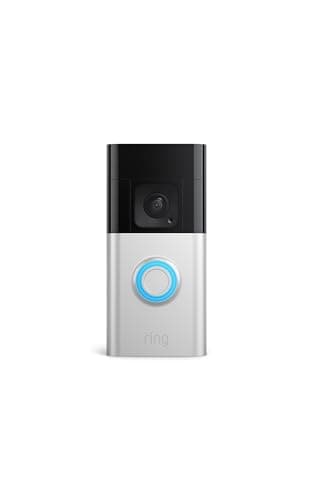
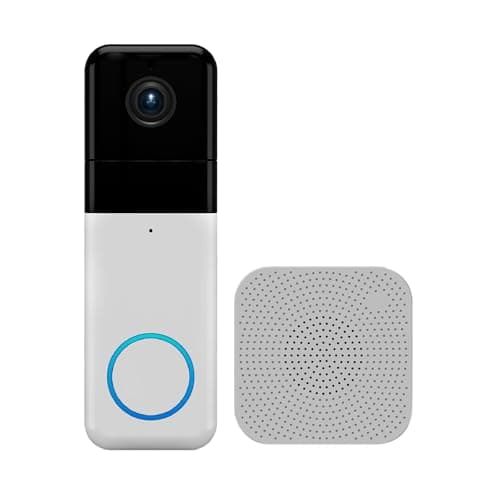
The Wyze Video Doorbell Pro and the Ring Battery Doorbell Plus are the two battery doorbells a budget-minded shopper keeps circling back to. Both mount without an electrician, both show a visitor head to toe, both do two-way talk and night vision. But they answer to two different philosophies, and the whole decision comes down to which one you agree with: the Wyze keeps your footage local and free and hands you a chime in the box, while the Ring is the tidier, Alexa-native experience that stores your clips in the cloud - and charges a monthly fee to keep them.
The decision in one line: free local vs Ring cloud
Everything else about these two is secondary to how they store what they see. The Wyze Pro records to a microSD card you add, and that footage costs nothing to keep or replay. You buy the doorbell, drop in a card, and your events are saved locally with no recurring fee - ever. The Ring Battery Doorbell Plus records to the cloud, and here is the part the box does not shout about: without a plan you get a live view and alerts, but to actually save and re-watch a clip - the reason most people buy a doorbell - you need a Ring Home subscription. There is no local card in the Ring, so there is no fee-free way to keep your history.
That single difference is the fault line. If your instinct is "I do not want another subscription," the Wyze has already won, and it is why it takes the top spot here and sits on our best no-subscription doorbells list. If you are comfortable paying for polish and you value the clip history being handled for you, the Ring's cloud is genuinely the more hands-off experience. To see exactly what the Ring route adds up to over the years, our video doorbell subscription costs breakdown lays the fees out plainly.
Ecosystem and app: where Ring pulls ahead
The fee buys something real, and it would be dishonest to pretend otherwise. The Ring is the tidier, more polished product to live with day to day. Its app is smoother and more mature than the Wyze app, and its Alexa integration is native and effortless - a ring pops the live view straight onto an Echo Show with nothing to configure. If your home already runs on Alexa and Echo displays, the Ring slots in as one clean system. It feels finished in a way budget hardware often does not, and for a lot of buyers that smoothness is worth the recurring cost.
The Wyze also works with Alexa, so you are not cut off from voice and smart-display viewing, but the experience is more workmanlike. The app is functional rather than plush, and the whole thing rewards someone who does not mind a little setup - inserting the card, managing storage, tuning alerts. Neither doorbell supports Matter or Apple HomeKit, so an Apple-first household is not the target for either. On ecosystem polish, the honest verdict is that the Ring is the more refined citizen and the Wyze is the more independent one.
Video and the chime in the box
On the picture, the two are closer than the price gap suggests. The Wyze shoots a sharp 1440 HD image in a square 1:1 shape, which is the tall framing you want on a doorbell - it keeps a caller and the doorstep together in one frame rather than cropping a parcel off the bottom. The Ring answers with a tall Head-to-Toe HD+ view that does the same job by a different name, showing a visitor from face to feet. Both are sharp enough to identify who rang and see what they are carrying. This is not where the decision is won or lost.
One practical detail does tilt toward the Wyze, though: it puts a plug-in chime in the box. That matters because a doorbell that actually rings a chime inside the house - not just a phone notification - is something the big names often make you buy separately. With the Wyze it is included; you plug it into any outlet and the house has a real doorbell sound again. On a budget doorbell, having the chime in the box is a small, concrete win that quietly adds to the value case.
Power, install and the security caveat
Both doorbells install the easy way. The Wyze is wireless on a rechargeable battery, so it mounts on a door with no wiring at all. The Ring runs on a removable rechargeable battery too - you slide the battery out to charge it while the doorbell stays on the wall - and can also be hardwired to existing terminals if you have them. Either way, no electrician is required, and both are easy fits for a renter or a back door.
The one caveat we will not soft-pedal sits on the Wyze side: Wyze has had past security incidents, including a publicized event where some users briefly saw thumbnails from other people's cameras. That does not make the hardware bad value, but it does mean account hygiene is mandatory, not optional. Use a unique password you do not reuse anywhere else, and turn on two-factor authentication the day you set the doorbell up. Do those two things and the Wyze is a sensible budget buy; skip them and any cloud-connected camera is a risk. The Ring, for its part, is the more corporate, buttoned-up operation, which is part of what some buyers are paying for.
Living with each over the years
The gap between these two widens the longer you own them, which is the part a spec sheet never shows. Up front the Wyze is already the cheaper doorbell, and after that first purchase it asks nothing more: the microSD card is a one-time buy, the clips are yours, and there is no plan to renew or lapse. The only ongoing work is the tinkerer's work - occasionally checking the card has space, keeping the firmware current, and staying on top of the account security the Wyze name makes non-negotiable. For someone who does not mind that upkeep, the running cost is effectively zero, and over several years that is real money the Ring buyer is spending.
The Ring's long-term story trades that saving for smoothness. You never touch storage - the cloud keeps your history as long as the plan is active - and the app stays polished and well supported in a way budget hardware rarely is. But the plan is now part of what the doorbell costs, every month, for as long as you want to keep and re-watch clips; let it lapse and the recorded history you were relying on stops. Neither path is wrong, and a tidy Alexa home often decides the convenience is worth it. The honest framing is simply that the Wyze front-loads the value and then leaves you alone, while the Ring spreads its cost out in exchange for a more hands-off experience - and our subscription cost breakdown puts numbers on exactly how that adds up.
Who should buy which
Buy the Wyze Video Doorbell Pro if value and no monthly fee are your priorities. It keeps your footage local for free, includes a chime, shows a sharp head-to-toe image, and costs less up front - and nothing after. It is our pick here because for a shopper who does not want a recurring bill and does not mind managing a card, it is simply the better deal. Our Wyze Video Doorbell Pro review goes deeper on the setup and the security steps to take.
Buy the Ring Battery Doorbell Plus if you run a tidy Alexa household and value the polish. Its app is smoother, its Echo Show viewing is native and effortless, and the cloud handles your clip history so you never think about storage. Go in knowing the trade: there is no local option, so keeping and replaying clips means a Ring Home plan for as long as you own it. Our Ring Battery Doorbell Plus review covers exactly what the plan does and does not include.
If you want a one-line rule: the more you hate subscriptions, the more the Wyze wins; the more you value a polished Alexa-native experience and do not mind paying for it, the more the Ring earns its fee. For the wider view against every doorbell we rank, start with the best video doorbellsroundup. And the usual honest caveat applies, the same one on every page here: we did not install and stress-test these two in a lab. We read each doorbell's own Amazon listing and manufacturer documentation for its specs and storage model, and compared them straight rather than inventing a hands-on result.