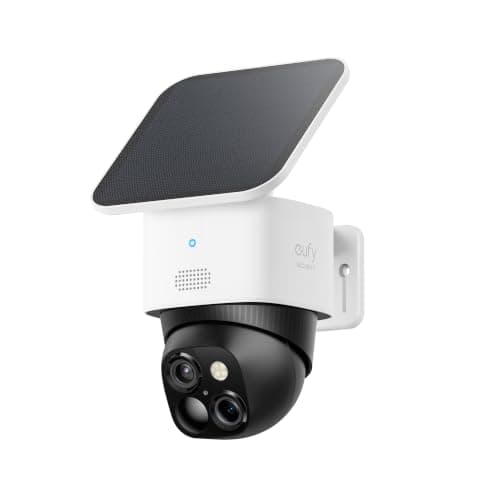
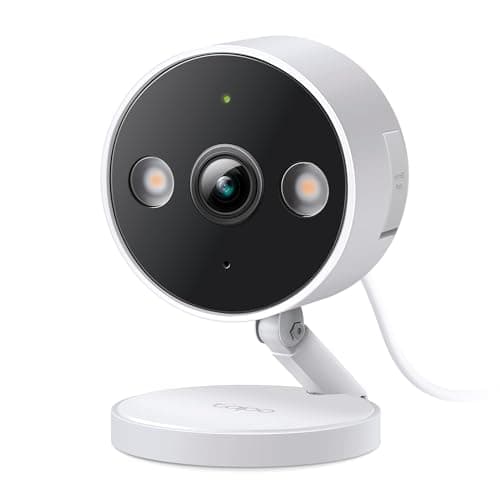
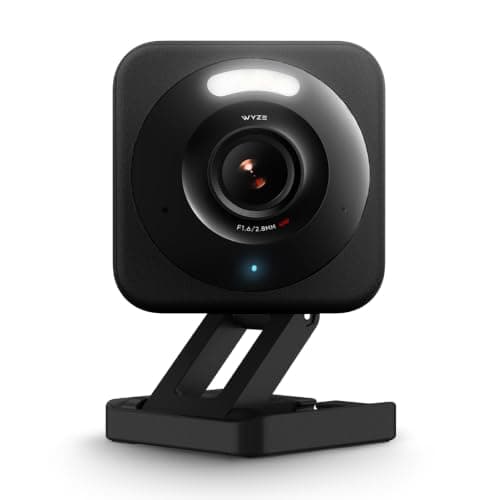
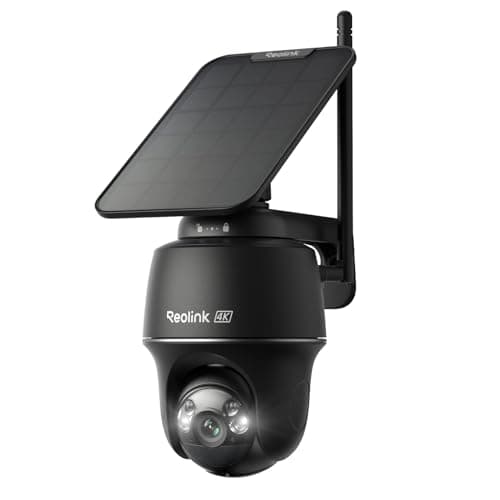
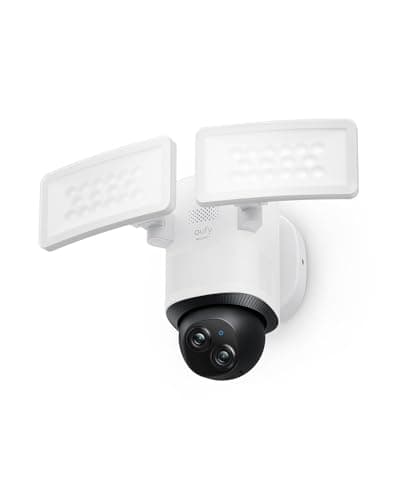
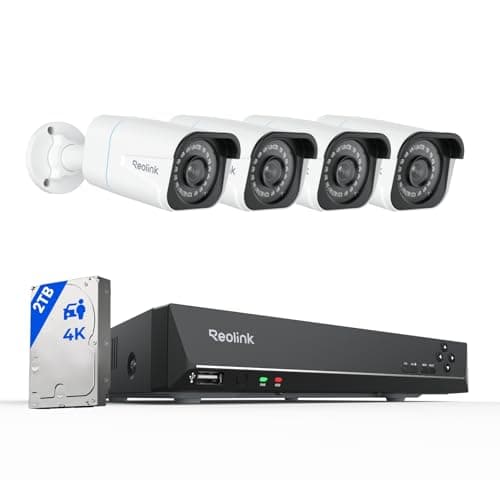
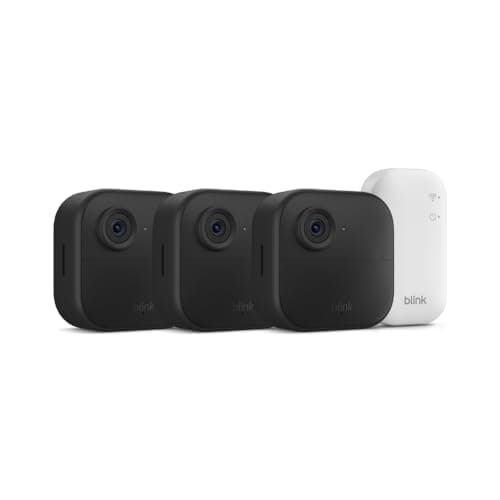
A security camera is one of the few gadgets where the sticker price barely matters. A $30 Wyze and a $200 flagship both record 2K video and both send a notification when someone walks up your drive. What actually separates them — and what will cost you real money over the years you own it — is where the footage lives and what you pay every month to get it back.
How this category really divides
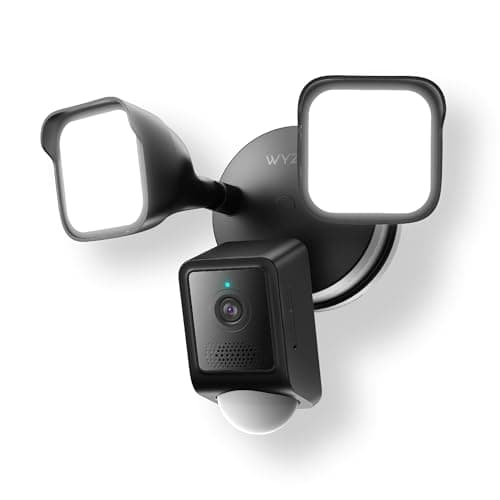
Ignore the marketing tiers. Cameras split cleanly into two camps. The first records to a microSD card or a local base station and lets you watch and download clips for free forever — Wyze, eufy, Reolink and TP-Link Tapo all sit here. The second, led by Ring and most of Blink, gives you a live view for nothing but paywalls the actual recorded clips behind a monthly plan. Miss that distinction and a "cheap" camera becomes the expensive one: Ring's plan at a few dollars a month is over a hundred dollars across three years, which is more than the camera.
That is the entire reason we compute a 3-year total cost of ownership on every camera roundup — hardware plus the monthly fee times thirty-six. It is the only number that tells you what the thing actually costs, and it is the number every other review site leaves out.
What to buy first
Most people should start with a single subscription-free camera pointed at the one entry they care about, and only expand once they know how they'll use it. If you are on Amazon's Alexa ecosystem and want the simplest path, a Ring or Blink is fine — just budget for the plan. If you want to never see a bill again, buy local-storage first. Our no-subscription roundup is the page to read.
The mistake we see most: buying a wireless battery camera for a spot that gets constant motion. A busy street-facing camera on battery is a camera you recharge every few weeks. For high-traffic views, wired or solar is the answer, not a bigger battery.
Where the spec sheet stops helping
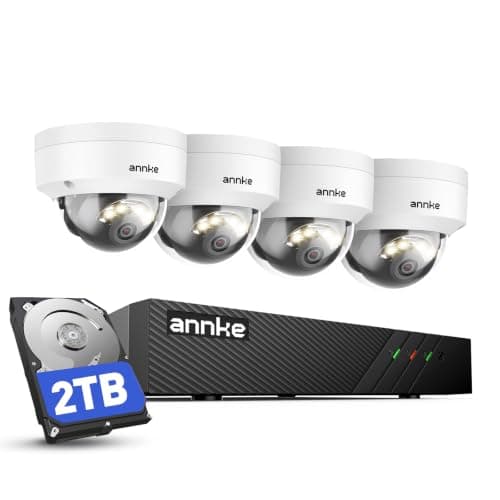
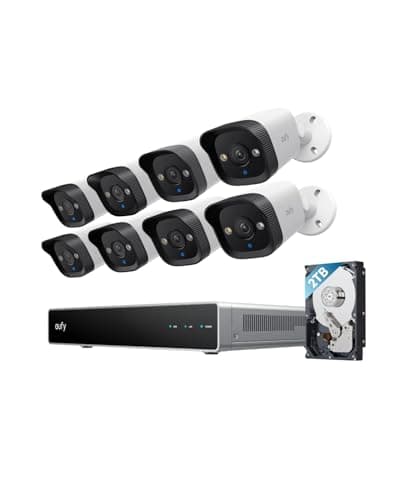
Three questions decide more purchases here than resolution does, and none of them is on the box. What a PoE camera is and why wired kits record 24/7 when battery cameras cannot. How much data a camera uses, which is the question to answer before you put four cloud cameras on one home connection. And whether a camera works in cold weather, where the honest answer is that almost no manufacturer publishes a number.
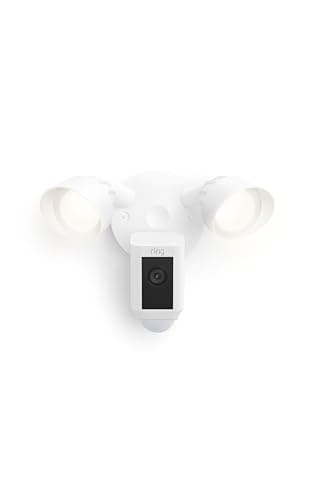
Two specific views also change the ranking enough to deserve their own pages: a driveway, where distance and power push the 1080p picks out of contention, and the lit near-field of a garage or patio, where the two cameras most people compare are the eufy E340 and the Ring Floodlight Cam Wired Plus — and our full review of the eufy Floodlight Cam E340 covers why a floodlight camera that turns is worth the harder install. On the tightest budget, start with best budget security cameras instead.