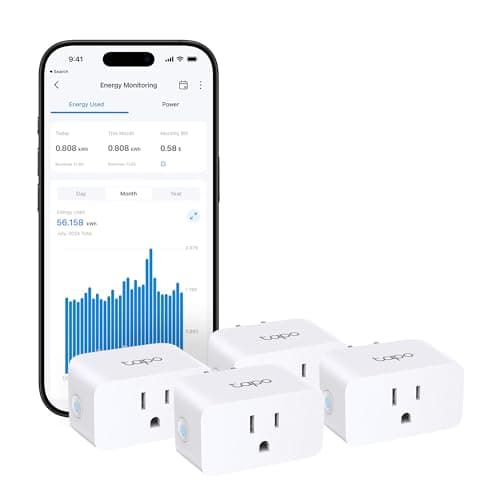
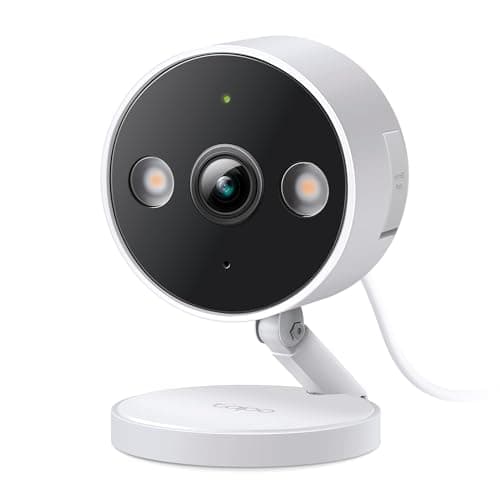
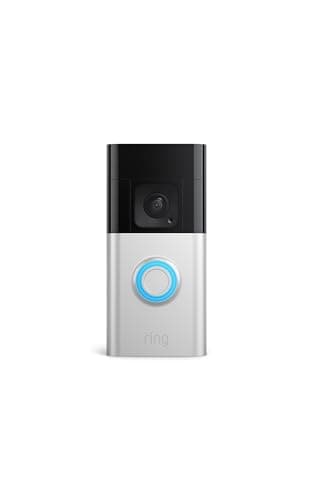
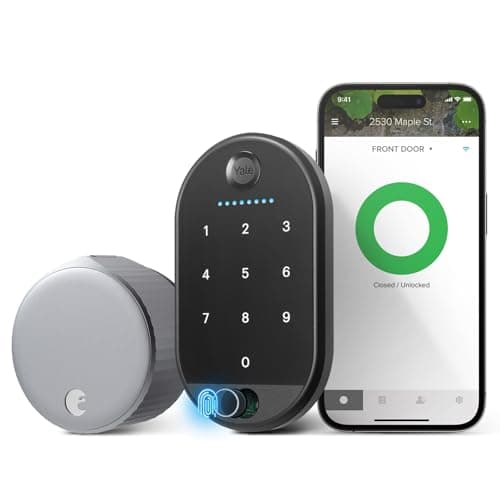
Most "best smart home devices" lists are a pile of gadgets in no particular order, which is exactly how people end up with a drawer of half-used hardware. This one is a sequence. We ranked these seven on what they do for a house that owns nothing yet, in the order each one earns its money — the cheapest useful thing first, the biggest commitment last. Buy number one, live with it for a month, and only then look at number two.
Three rules decided the order, and they are worth stating because they are also the reasons a device did not make it. First, ecosystem before product: a device that does not appear in the app your household already opens is a device nobody uses, however good the specs are. Second, the monthly fee is part of the price: a $60 camera with a $5 plan costs more over three years than a $150 camera with none, so every pick below states its fee, and five of the seven have none. Third, a device has to work on day one without the rest of the list — nothing here requires you to have bought the thing above it.
A word on what this list is not. We cover home security and home control: cameras, doorbells, locks, alarms, hubs and the plugs that tie them together. We do not cover thermostats, robot vacuums or smart lighting, because we do not research them properly and a list padded with categories we have not read the documentation on is worth nothing to you. If a thermostat is what you came for, we are the wrong site — that is a cheaper answer than a fabricated recommendation.
One more caveat we repeat on every page: we do not run a test lab, and we do not hand out numeric scores. Every specification below is the manufacturer's own published claim, read on the date in our methodology, and where a maker does not claim support for something we write "not listed" instead of guessing. The compatibility matrix is the honest version of a score.
If you are buying for a rental rather than a home
A short-term rental has a different priority order entirely: nothing a guest has to learn, nothing whose failure is invisible to you, and a camera policy you have to read before you buy a camera. Best smart home devices for Airbnb hosts is that list, and it overlaps with this one less than you would expect.
Make the free decision first: which app is your home base?
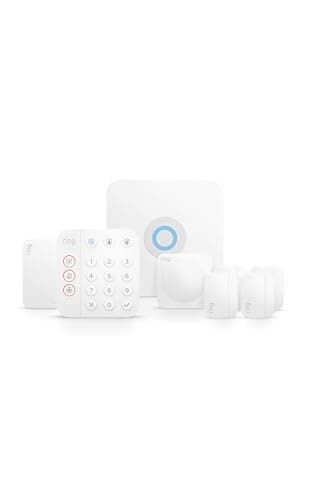
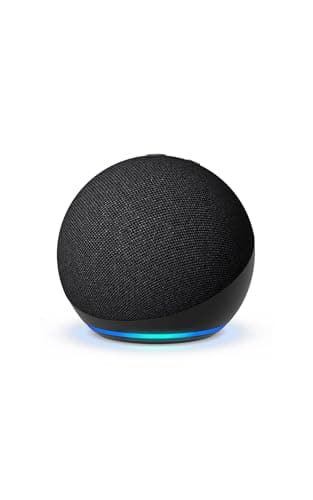
Before a single purchase, pick the ecosystem everything will report to — Amazon Alexa, Google Home or Apple Home. It costs nothing and it decides more than any spec on this page. The shortcut is the phones in the house: an all-iPhone household leans Apple Home, an Android household leans Google, and Alexa is the easy generalist on either. Look at the matrix above through that lens and the list shortens immediately. An Apple household should skip the Echo Dot and the two Ring devices entirely and start at the Tapo plug and the Aqara hub. Our ecosystem comparison is ten minutes well spent before you spend anything.
Matter is the hedge against getting that decision wrong
Matter is a cross-brand standard: a Matter device can be shared across Alexa, Google Home, Apple Home and SmartThings, so it survives you changing your mind. That is exactly why the Tapo plug sits at number two despite being the cheapest thing here — it is the one device on the list that cannot become orphaned by an ecosystem switch. It is also why the honest answer for the cameras, the doorbell and the alarm is "no Matter": those categories are still largely brand-locked, and pretending otherwise would not help you. If the words Matter, Thread and Zigbee are a blur, the Matter vs Thread vs Zigbee explainer untangles them in plain English.
Do the three-year sum, not the sticker sum
The single most expensive habit in this category is comparing sticker prices. A $4.99 monthly doorbell plan adds close to $180 in fees across three years — often more than the doorbell itself — while a camera that records to a card you already own adds nothing, forever. Neither number makes one device better than the other — the Ring plan buys you cloud clips you cannot lose to a stolen camera, and that is a real thing to want. But you should be choosing it knowingly. Five of the seven picks here have no monthly fee at all, and we put the fee column in the matrix so it is impossible to miss. The same arithmetic in more detail lives in our camera subscription cost breakdown.
You almost certainly do not need a hub yet
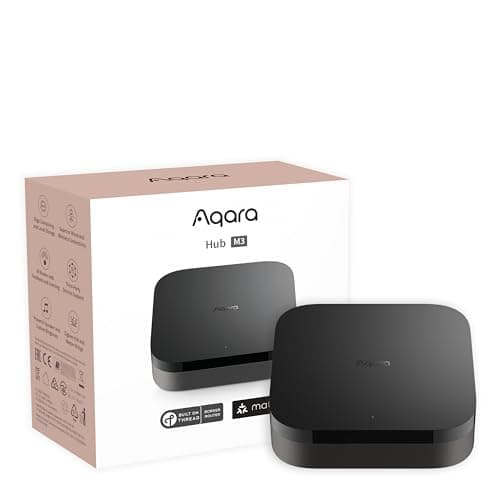
Note where the Aqara M3 sits: sixth, behind four devices that need nothing but Wi-Fi. That is deliberate, and it is the opposite of what a hub seller will tell you. Cameras, doorbells, most plugs and Wi-Fi locks talk to your router directly. A hub earns its place the day you want the cheap, reliable, battery-sipping stuff — Thread and Zigbee sensors, buttons, contact sensors on every window — or the day a Matter device refuses to pair because nothing in your house is a Thread border router. Until then it is a box that costs money and does nothing you can see. Our do-I-need-a-hub guide says "not yet" more often than the category would like.
Buy one at a time, in this order, and stop when you are happy
There is no prize for finishing the list. A huge number of people are genuinely done after the plug and the camera, and the ones who stay happy are almost always the ones who bought slowly. The order above is roughly cheapest-and-most-useful first: a speaker to control things by voice, a plug to automate one annoying thing, a camera for the room that worries you, a doorbell for the parcels, a lock so nobody is locked out, a hub when Wi-Fi runs out of road, and an alarm when you want the house covered rather than watched. If you want the calm version of this with no products in it at all, read smart home for beginners first and come back.