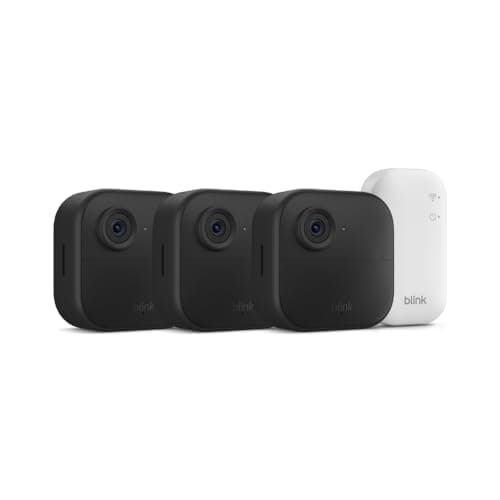
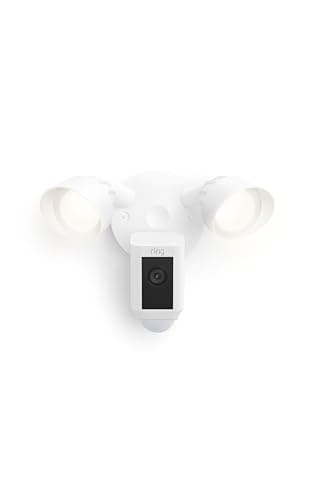
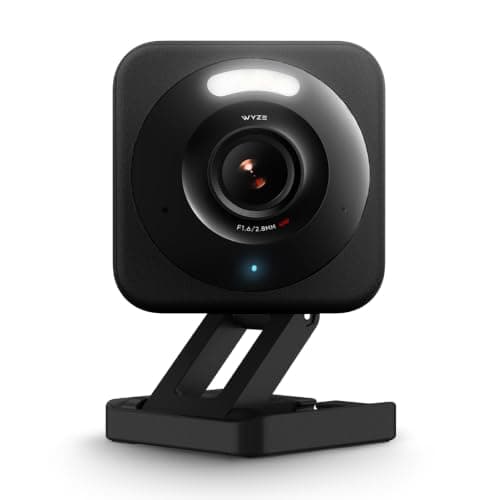
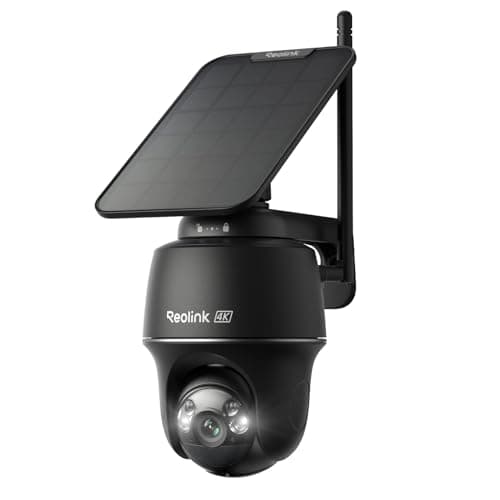
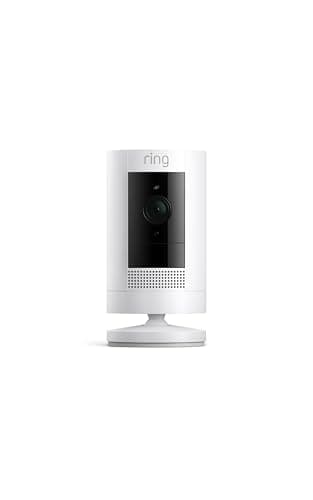
"Works with Alexa" is one of the least informative badges in this category. It is printed on cameras whose entire integration is a voice command to show a live feed, and on cameras that can announce a person at the side gate through every speaker in the house and then run a routine that turns the porch light on. Both are honest uses of the badge. Only one of them is what people mean when they ask for an Alexa camera. Here is what actually varies.
One: live view on an Echo Show is the easy part
Every camera on this page can do it. You say "Alexa, show me the front door", the Echo Show or Fire TV pulls the stream, and a few seconds later you are looking at it. What differs is latency and reliability rather than capability: Amazon's own brands, Ring and Blink, hand the stream straight over, while third-party cameras route it through a skill, so you wait a beat or two longer and you depend on that skill continuing to be maintained. If live view is the only thing you want from Alexa, any of these five will do it and you should buy on picture quality and running cost instead — which is what how to choose a security camera is for.
Two: announcements and routines are where first-party wins
The genuinely useful Alexa feature is not live view, it is events. A camera that can tell Alexa "someone is at the side gate" can trigger an announcement on every Echo, switch on a smart plug, or start a routine that turns lights on at 60 percent at night and 100 percent during the day. This is where Ring and Blink pull clearly ahead, because Amazon owns both and their events are available to Alexa as triggers rather than as notifications in their own app. Third-party cameras generally expose far less. If your plan for a camera involves it doing something rather than just being watched, buy the Amazon-owned option; our smart home security automations guide covers the rules worth building once you have one.
Three: Alexa compatibility and subscription-free recording usually trade against each other
This is the real tension on this page and it is worth naming plainly. The two cameras with the deepest Alexa integration — the Ring Stick Up Cam and the Ring Floodlight Cam — both require a Ring subscription before you can review a recorded clip. The two cameras that record for free to local storage — the Wyze Cam v4 and the Reolink Argus PT Ultra — both have shallower, third-party Alexa integrations. Blink sits in the middle: Amazon-owned, with a local-storage path that needs a Sync Module 2 bought separately. There is no camera on this page that gives you Amazon-native event integration and free local recording, so decide which of the two you actually want before you shop. If the answer is free recording, best no-subscription security cameras is the page that solves for that first, and camera subscription costs shows what the Ring route adds up to over several years.
Four: Alexa is not a recording system, and it is not a hub for cameras
Two common misunderstandings cause most of the disappointment here. The first: Alexa does not store video. Your clips live with the camera maker — on a microSD card, on a base station, or in their cloud — and Alexa is a viewer and a trigger engine on top. Cancelling a camera plan does not break Alexa; it breaks your clip history. The second: an Echo is not a camera hub in the way it is becoming a hub for sensors and lights. Matter has barely started on cameras, and none of the five picks here supports it, so each camera brings its own app and its own cloud regardless of how good the Alexa layer feels. That is also why mixing brands is more painful for cameras than for almost any other smart-home category — the detail is in security camera ecosystem compatibility.
Five: an Echo Show is the cheapest upgrade to any of these
If you already own cameras and want the Alexa experience people describe, the missing piece is usually a screen rather than a better camera. A single Echo Show in a kitchen or hallway turns every camera on this page into something you glance at instead of something you unlock a phone for, and it is what makes the voice command worth using at all. Beyond that, an Echo device also unlocks the sensor and lighting half of the automations above — see best smart home hubs for which Amazon devices actually act as a hub, because the answer is not all of them.
How to pick in one question
Ask yourself whether you want Alexa to show you the camera or to acton it. If showing is enough — and for most households it is — buy on image quality and running cost, which means the Wyze Cam v4 on a budget or the Reolink Argus PT Ultra if you want 4K and months of free local history. If you want camera events driving announcements, lights and routines, buy Amazon's own: the Ring Stick Up Cam for a single angle, the Blink Outdoor 4 kit for several, the Ring Floodlight Cam Wired Plus where light and an alarm tie-in matter — and accept the subscription as part of the price.
One practical note on naming. Alexa routines and voice commands both depend on what you call the camera, and the default names are terrible. Rename each camera in its own app to the thing you would actually say out loud — "front door", "backyard", "driveway" — before you build a single routine, because renaming later breaks everything that referenced the old name.