Zigbee is not a brand and not an app — it is a low-power mesh radio, and it is the reason a door sensor can cost $12 and run for two years on a coin cell. That is also why it needs a hub: Zigbee devices do not speak Wi-Fi, so something on your network has to carry the radio and act as the coordinator. Most smart speakers do not. The field of hubs that genuinely do is small, and the three here are the ones worth buying — separated not by how good their Zigbee is, but by which other radios sit beside it.
Why you would want a Zigbee hub at all
Two reasons, and the first one is money. The affordable end of the sensor catalogue — contact sensors, motion and presence sensors, buttons, temperature and leak sensors — is still overwhelmingly Zigbee, because the radio is cheap to build in and sips power. The Wi-Fi equivalent of a $12 Zigbee sensor is a $30 device you have to recharge or wire, and twenty of them on your router is a different kind of problem (see smart home Wi-Fi congestion).
The second reason is behaviour. Zigbee devices form a mesh: every mains-powered Zigbee device — a plug, a bulb — repeats for the battery ones, so coverage improves as you add devices rather than degrading. And because the hub holds the device list locally, a well-built Zigbee setup keeps reacting when your broadband drops. That is the difference between a house that is automatic and a house that is remote-controlled.
What actually separates these three hubs
All three carry Zigbee. None of them carries every radio, so the decision is a process of elimination:
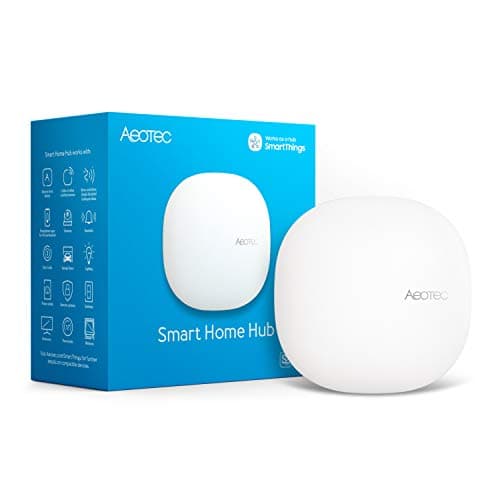
Do you have Z-Wave devices? If yes, the Aeotec Smart Home Hub is your pick and the question is over — it is the only one of the three with the radio. This is the single most common way people end up with two hubs: they buy for Zigbee, then discover the lock the previous owner left is Z-Wave. Zigbee vs Z-Wave covers why the two coexist.
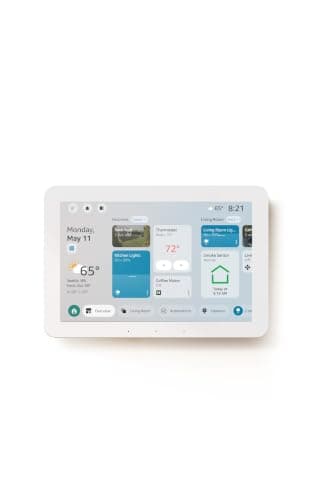
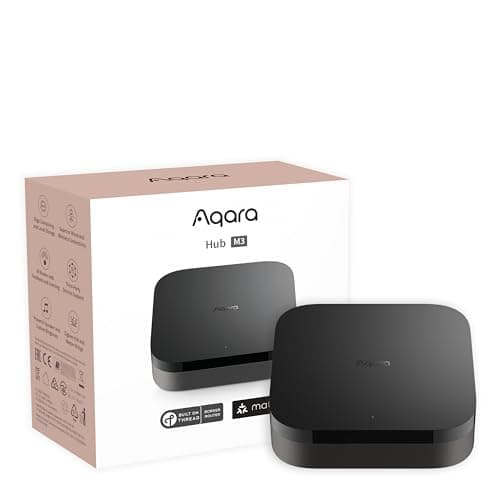
Do you need Thread as well? New Matter devices increasingly arrive on Thread, which needs a Thread border router on the network before they will join anything. The Aqara M3 and the Echo Hub have one; the Aeotec does not list one. If you want one box to cover the cheap Zigbee sensors and the new Thread devices, that narrows the field to two.
Which ecosystems must these devices appear in? This is where the Echo Hub separates from the Aqara. Amazon lists Alexa only. Aqara lists Apple Home, Alexa, SmartThings and Home Assistant. Aeotec lists Alexa and Google Assistant but not Apple Home. Pick on the assistant your household already uses, not the one a review prefers — best smart home ecosystem walks through that choice from scratch.
What a Zigbee hub does not fix
Buying a Zigbee hub does not make your existing Wi-Fi devices local, and it does not make Zigbee devices from every brand interchangeable. Zigbee certification covers the radio, not the behaviour: a sensor from a brand your hub has never heard of may pair and report nothing useful, and brand-specific features (an Aqara sensor's extra modes, for example) often only appear in that brand's own app. In practice, pairing a mainstream Zigbee sensor to a mainstream Zigbee hub works; pairing an obscure one is a gamble worth checking before you buy twenty.
It also does not remove the need for a controller you actually touch. All three picks here are plumbing, even the one with a screen — you still interact through an app or a voice assistant, and hub vs smart speaker is the page that untangles those two jobs.
The four things to check before you buy
One: the radio list, by name."Works with Matter" is not a Zigbee radio, and a hub can be a Matter controller while being completely blind to Zigbee. Read the specification for the words Zigbee, Thread and Z-Wave individually — those are three different radios and no amount of software adds a missing one.
Two: where the automation runs. A hub that evaluates rules locally keeps your motion-triggered lights working through a broadband outage; a hub that sends every trigger to a cloud does not. This is the difference you feel on a bad day, and it is also the latency you notice walking through a doorway. Put anything that must not fail on local rules.
Three: how the hub sits on your network. Mains power and a wired connection are boring specifications that quietly decide reliability. A hub on PoE or Ethernet in a cupboard is one less thing competing for Wi-Fi airtime with the cameras.
Four: the exit. Zigbee devices are paired to a coordinator, so moving to a different hub later means re-pairing every one of them by hand. That is an afternoon at twenty devices. Choosing a hub that reports into more than one ecosystem is the cheapest insurance against doing it twice.