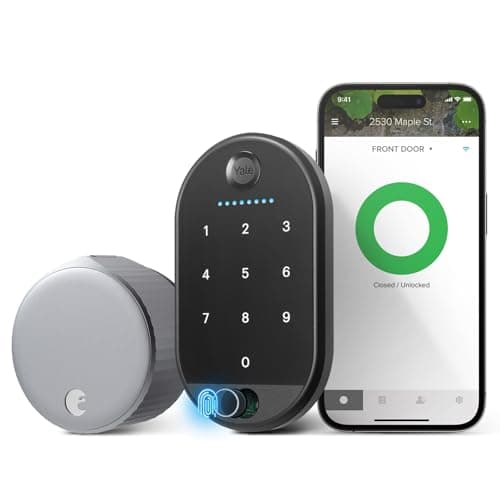
A physical key has one access model: whoever holds it can come in, forever, and you will never know when they did. Every genuine benefit of a smart lock comes from replacing that single model with four more precise ones. The mistake almost everyone makes at the start is using the wrong one — typically handing out a single permanent code to five people, which recreates the key problem with extra steps.
The four access types, and what each is actually for
Permanent codes are for people with an ongoing reason to enter: a cleaner, an adult child, a carer, a tenant in a shared house. The rule that matters is one code per person. It costs nothing, it means the access log tells you who came rather than that somebody did, and it means removing one person's access does not require telling four other people a new number.
Scheduled or time-limited codes are the most under-used and the most useful. A code that only works Tuesdays between 9am and noon is exactly right for a dog walker; a code that works for one week and then stops is right for a contractor or a house-sitter. The security benefit is that the code expires whether or not you remember to delete it, which is the part humans reliably get wrong.
One-time codes expire after a single use. Use them for a delivery you need taken inside, a real estate agent viewing, or a neighbor coming once to water plants. A one-time code cannot be reused if it is forwarded, screenshotted or overheard, which makes it the right choice any time the code will travel through a channel you do not control.
App invites give someone the lock in their own app, usually with the ability to lock and unlock remotely and sometimes to manage other users. This is the most powerful kind of access and it should be the rarest: household members, and anyone who genuinely needs to let other people in. A dog walker does not need an account on your lock.
How codes actually get to the lock — and why that decides what you can share
This is the mechanical detail that explains most of the frustration people hit. There are three different architectures.
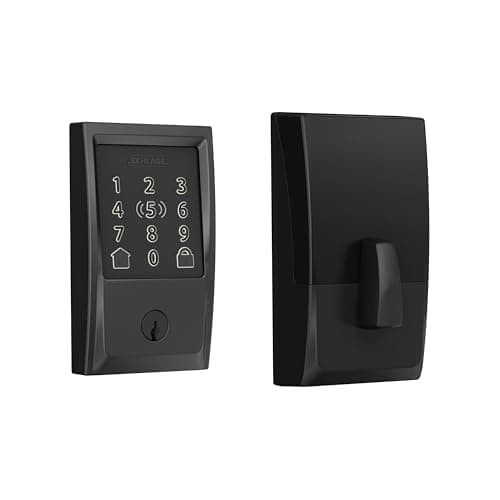
A Wi-Fi lock such as the Schlage Encode Plus is connected to the internet itself. You create a code in the app, it reaches the lock within seconds from anywhere, and you can delete it from a different country. This is the arrangement you want if you share access regularly.
A Bluetooth lock with a bridge works the same way as long as the bridge is plugged in and online. Without the bridge you have to be physically within Bluetooth range to change anything, which means a code you need to revoke in a hurry cannot be revoked until you get home. The distinction is covered in Bluetooth vs Wi-Fi smart locks and do smart locks need a hub.
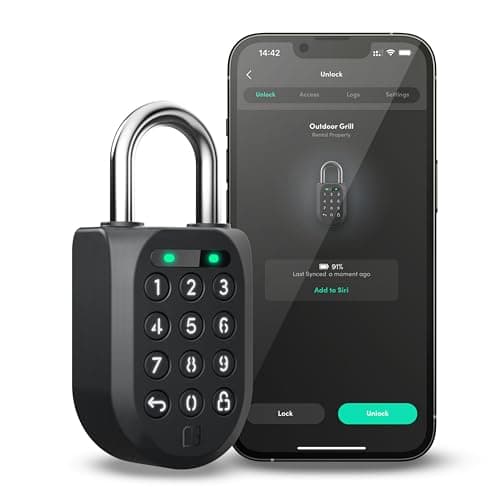
An offline PIN lockis the clever one, and it is the only solution to a gate, shed or outbuilding where there is no power and no Wi-Fi. igloohome's algoPIN approach generates codes mathematically in the app and the lock validates them locally against the same algorithm — one-time, duration-limited, recurring and custom codes all work with the lock having no connection of any kind. That is why you can text a contractor a code for a gate two counties away that has never seen a network.
The revocation habits that matter
Issuing access is easy and everyone does it. Removing it is the part that decays, and a lock with eleven active codes belonging to six people you half remember is not more secure than a key. Four habits fix it.
Prefer expiry to deletion. Any time you can set a code to end on a date, do it, even if you think the access is open-ended. A code that expires in six months and needs renewing is a prompt to review; a permanent code is a thing you forget.
Name every code after a person, not a role."Cleaner" becomes meaningless the moment the cleaning company changes staff. A name tells you whose access you are looking at eighteen months later.
Audit twice a year. Open the user list, and delete anything you cannot immediately justify. Put it on the same calendar reminder as changing the lock batteries — smart lock battery life explains why you want that reminder anyway.
Change the master or owner code separately. The administrator credential should never be a code you have given anyone, and it should not be the same number as the household code. If a guest code is ever compromised, you want the admin path untouched.
What the access log does and does not tell you
Most of these locks keep a history of which code opened the door and when, and it is genuinely useful — confirming a cleaner arrived, seeing what time a teenager got in, establishing that nobody entered on a day something went missing. Two limits are worth knowing. The log records the credential, not the person: if two people share one code, the log cannot distinguish them, which is the strongest practical argument for one code per person. And the log records the lock, not the house: a door left on the latch, an unlocked window or a second entrance with a conventional lock are all invisible to it.
Three mistakes to avoid
Sharing your account password instead of issuing access. It happens constantly, usually with family. It gives the other person administrative control of the lock, it cannot be revoked without changing the password and re-adding everyone, and it destroys the audit trail. Use a proper invite or a code.
Using the same code for everyone and never changing it. This is a key with extra steps. Worse, it is a key you cannot tell has been copied, since a code spreads silently.
Forgetting the physical key still exists. Most smart deadbolts keep a keyway, and every key in circulation still opens the door regardless of what you do in the app. If you have replaced a lock to control access, account for the old keys too — and if a key has gone missing, a code change does nothing about it. See can you use a key with a smart lock for which designs keep a keyway.
If you are doing this for a rental
Short-term rental hosting is the heaviest use of guest codes there is, and the workflow is slightly different: a code per booking, issued in the check-in message, scheduled to start at check-in and expire at checkout, plus one permanent code for your cleaner so the two never get confused in the log. The lock needs built-in Wi-Fi for that to be workable, because you will be issuing codes from wherever you happen to be. Best smart locks for Airbnb ranks locks for that job specifically, and the wider host device list covers what else earns its place.