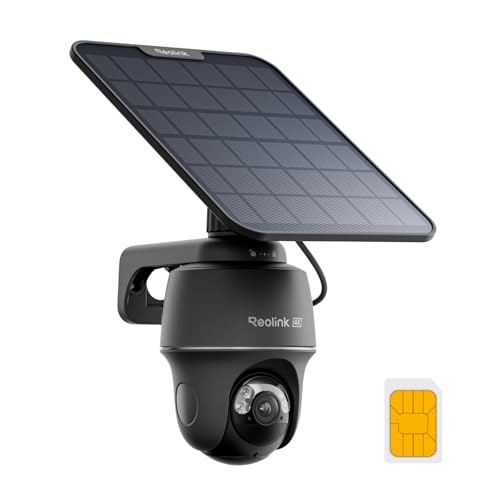
A cellular security camera has its own LTE modem and SIM card. It does not join your Wi-Fi, it joins a mobile network, which means it works in exactly the places a normal camera cannot: a cabin with no broadband, a gate at the end of a long drive, a storage lot, a building site, a field, a boat. That is the whole value proposition, and it is a big one - but it comes attached to a cost that most roundups in this category skip past, so we will put it first.
The honest cost: no camera plan, but a data plan
None of the five cameras here needs a camera subscription to record. All five put the recording on a card or in local storage in the camera itself, which is exactly the property this site exists to recommend. But every one of them needs a mobile data plan for the SIM, and that is a recurring monthly bill. We are not going to pretend that is a "subscription-free" purchase in the way an SD-card Wi-Fi camera is.
What that means practically: buy cellular because of where the camera has to go, never because of what it can do. If the property has usable Wi-Fi, a card-recording Wi-Fi camera is cheaper to buy, cheaper to run and gives you more for the money. Our SD card camera roundup is where that purchase lives.
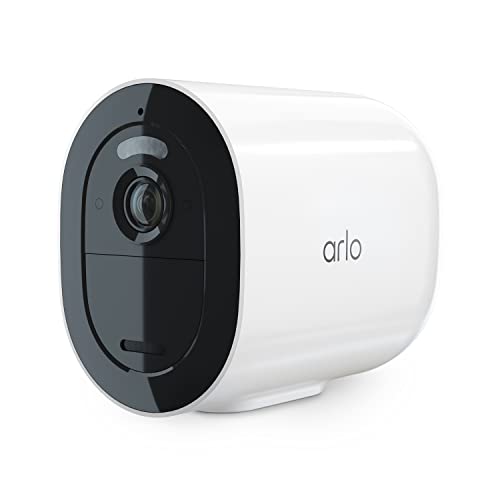
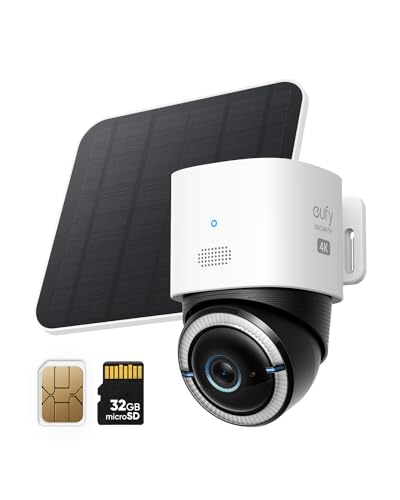
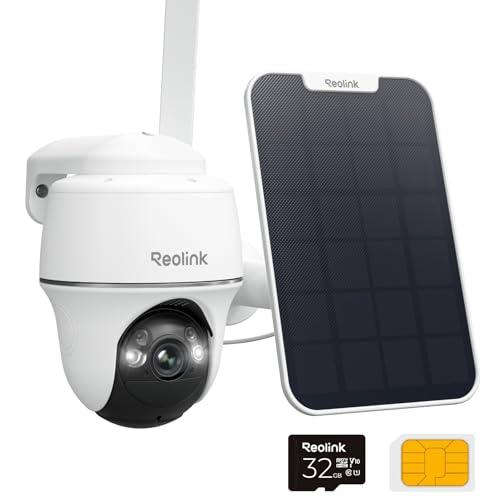
We do not publish carrier pricing here. Mobile plans change constantly, vary by country, and differ depending on whether you use the camera maker's own SIM or bring your own, so any number we printed would be wrong somewhere and out of date everywhere. What we can tell you is which cameras include a SIM in the box - the Reolink 2K+ solar camera and the eufy S330 do per their listings, the Arlo Go 2 explicitly does not - and how to configure any of them so the bill stays predictable.
Resolution is the trade this category usually makes
Cellular cameras have historically shipped at lower resolutions than their Wi-Fi siblings, for the obvious reason: every megabyte that leaves the camera costs money. That is why the Arlo Go 2 is 1080p and the Altas Go PT+ is 2K. The interesting development in 2026 is that two of the picks here - the Reolink Go PT Ultra and the eufy S330 - are 4K, and the Reolink was the cheapest camera on this page at 4K when we checked. The resolution penalty has stopped being automatic.
The reason it works is that resolution and data use are no longer the same decision. A 4K camera that records 4K to its own card and sends you a low-bandwidth alert with a thumbnail uses barely more data than a 1080p one. The full-resolution footage is sitting on the card for when you want it. Configure any of these cameras that way and 4K costs you storage, not data.
Motion clips or continuous recording
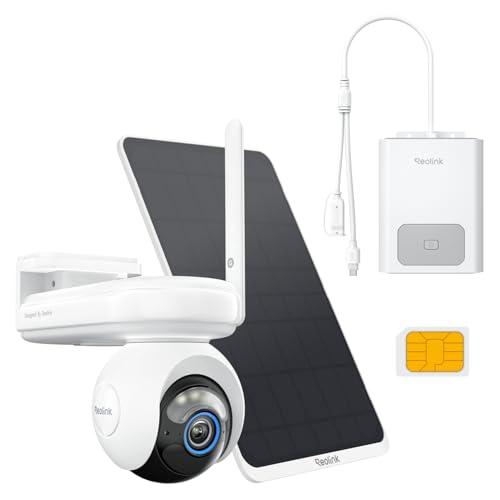
Four of the five picks here record on motion. The Reolink Altas Go PT+ is the exception: its listing publishes 24/7 recording and a 10-second pre-record buffer. That pre-record is worth understanding, because it fixes the most common complaint about every clip-based camera ever made - the clip starts when the camera decided something was happening, which is reliably a second or two after the thing you needed to see.
Continuous recording on a battery camera is only possible with a serious energy budget, which is why that pick carries a 92Wh battery pack and a price to match. If motion clips are good enough for your situation - and for most gates, drives and outbuildings they are - every other camera here costs less.
Power is the second problem, and solar is the answer
Cellular fixes connectivity. It does nothing about electricity, and the places that have no Wi-Fi usually have no outlet either. Four of the five picks here are solar: the two Reolink Go cameras, the Altas Go PT+ and the eufy S330. The Arlo Go 2 is a rechargeable battery camera with no panel in the box, which is part of why it is the cheapest.
If the camera is going somewhere you visit weekly, a battery is fine. If it is going somewhere you visit monthly or seasonally, buy solar - a camera you have to drive out to recharge is a camera that spends part of the year flat. The best solar security cameras page covers that side of the decision, including the Wi-Fi solar cameras that cost considerably less than anything here.
How we picked
Every camera above is in our product registry, every spec quoted comes from the seller's own live Amazon listing read on 2026-11-21, and every price is pulled live rather than typed in. We do not run a test lab and we say so on the methodology page. We did not rank on any number we could not source - there are no scores on this page, because we have nothing to score with.
Five things that decide a cellular camera purchase
Coverage at the mounting point, before anything else. Walk to the exact spot with a phone on the network you intend to use and look at the signal. Everything else on this page is irrelevant if the answer is one bar. This is the only specification that no manufacturer can publish for you.
Whether the SIM is in the box. The eufy S330 and the Reolink 2K+ solar camera include one per their listings. The Arlo Go 2 explicitly does not. That single line changes the real price order of this page.
Record local, alert remote. Set every cellular camera so full-resolution recording lands on the card and the mobile link carries only notifications, thumbnails and the clips you deliberately pull. Do this on day one. It is the difference between a predictable monthly bill and an unpleasant one, and it is also what makes 4K affordable to run.
Solar, if you visit less than weekly. A flat battery at a property two hours away is a camera that was off for three weeks before you found out. Four of the five picks here are solar for exactly this reason.
Buy the card with the camera. A camera recording continuously wears out a consumer microSD card. Use a high-endurance or surveillance-rated card, format it in the camera rather than on a laptop, and treat the 32GB cards included in two of these boxes as a starter rather than the plan.