Most "best security system" advice assumes the buyer and the user are the same person. Here they usually are not: an adult child does the research and pays, and a parent in their seventies or eighties has to live with the result. That changes which specifications matter. Siren decibels, app design awards and camera resolution all drop down the list. What rises to the top is whether the system can be operated without a smartphone, whether family can fix it remotely, and what happens when nobody is watching the notification.
Start here: an alarm is not a medical alert system
This is the most important paragraph on the page. A home security system detects doors opening, windows breaking and movement in rooms. It does not detect a fall, it has no pendant or wrist button, and pressing the keypad panic button — where one exists — summons a response to a break-in, not a medical emergency. If the real worry is a fall or a health event, you need a medical alert service with a pendant and a 24/7 care line, and that is a different purchase from everything on this page.
They coexist well. A security system is the right answer to doorstep callers, an unlocked back door and knowing whether the house was armed last night. It is the wrong answer to "what if she falls in the bathroom." Buying one and believing you have bought the other is the mistake worth avoiding before you spend anything.
The four specifications that actually matter in this house
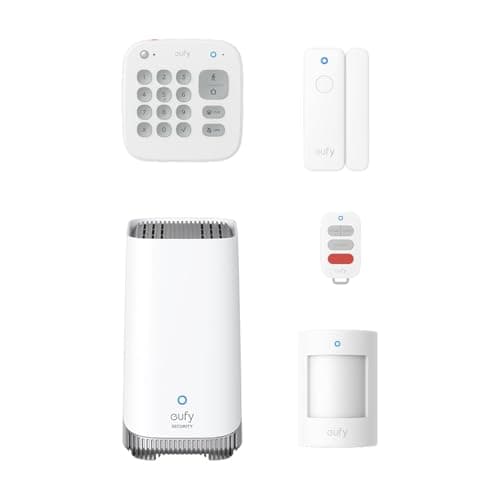
A physical keypad. Non-negotiable. Arming by app assumes a charged phone, a remembered passcode and comfort with a menu — three assumptions that fail on a bad day. All three picks include a keypad; make sure it is mounted by the door that is actually used, which is often the back door rather than the front.
Remote control by family. The system will be left disarmed, or armed when the cleaner arrives, and someone two hundred miles away needs to be able to sort that out in ten seconds. All three picks allow it, and this single feature is what stops a well-meant gift becoming a weekly phone call.
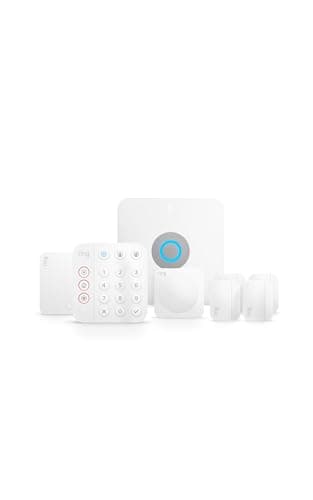
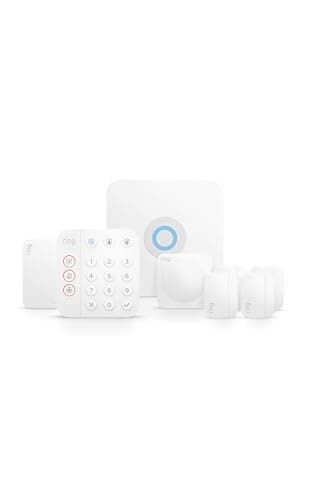
Who answers the alarm.Self-monitoring means the alert goes to phones. If the family is attentive and nearby, that genuinely works and costs nothing. If the parent lives alone and the nearest relative is a plane ride away, professional monitoring is what you are actually buying — that is the Ring systems here, at $19.99 a month for Ring's 24/7 tier. Our DIY vs monitored security page makes that call properly.
What happens in an outage. A DIY alarm that loses broadband can stop notifying anyone while continuing to look armed. That is why the Ring Alarm Pro is on this list: cellular and battery backup (with a plan) keep the alerts flowing. Our guide to systems without Wi-Fi explains what each kit does and does not keep doing.
Sensors worth adding — and the ones that cause arguments
Two additions earn their place in an older parent's house, and neither is about burglary. A leak sensor under the kitchen sink or behind the washing machine catches the failure that does the most expensive damage in a house nobody checks daily. And a smart smoke and CO alarm — or a listener that hears the existing one — means a family member knows the alarm is sounding even if the parent cannot reach a phone.
The sensor to think twice about is the indoor camera. It is the single most useful device for a worried family and the single most intrusive device for the person being watched. If you fit one, agree where it points and when it is on — and consider putting it in a hallway rather than a living room. Our smart home for elderly parents guide covers the wider kit, including lighting and door locks, with the same bias towards dignity.
Setting it up so it still works in six months
Install it yourself, on a visit. All three are DIY kits, and the install is peel-and-stick sensors plus a keypad. Do it in person, with the parent watching, and then have them arm and disarm it twice while you are standing there. A system someone has used successfully once is a system they will use again.
Write the code down, in the house. Not on the keypad — but a code nobody can recall is the fastest route to a system left permanently disarmed. Pick four digits that mean something to them, not to you.
Decide who gets the notifications before you leave. Add every family member who will actually respond, and agree who calls. An alert that three people see and nobody acts on is worse than no alert.
Turn off the chimes you do not need. The quickest way to have a system disabled is to let every door report with a beep. Keep the entry chime on the door that matters and silence the rest.
Diarise the batteries. Sensor batteries last years, not forever, and a low-battery notification will arrive on your phone, not theirs. Note the install date somewhere you will see it again — how security sensors work explains what each one is doing between now and then.