Almost nobody searching for a Vivint alternative is unhappy with the equipment. Vivint installs capable hardware and the system works. What sends people looking is the shape of the deal: a professional survey and install, equipment financed over a multi-year agreement, and a monthly monitoring bill that runs for as long as you have the system. If that shape suits your household, Vivint is a reasonable product and this page will not try to talk you out of it. If it does not, here is what the same capability costs when you buy it outright.
What Vivint is genuinely good at
Three things, and they are worth naming properly before any comparison. Professional installation- a technician surveys the property, decides where sensors and cameras go, mounts them, and the result is somebody else's responsibility. That is a real service and the DIY equivalent is you on a ladder making the same judgment calls with less practice. Integration - the alarm, the cameras, the doorbell, the lock and the thermostat are one system with one app and one set of automations, which is something no mixed DIY stack matches. And professional monitoring - a monitoring center that responds when the alarm trips at three in the morning while you are asleep or on holiday.
That third one is the part people most often misjudge when they leave. Monitoring is never free from anybody, because somebody has to be paid to watch. If what you actually want is a response service rather than cheaper hardware, switching to DIY will disappoint you - and the honest move is to compare monitoring plans rather than to go self-monitored. Our do you need a monitoring plan page works through that decision without a side to take.
The actual difference: ownership, not capability
The DIY picks on this page do nearly everything a bundled package does. Sensors on doors and windows, motion detection, a loud siren, a doorbell that sees the step, outdoor cameras with night vision, keyless entry. The capability gap in 2026 is much smaller than it was five years ago, and on two specifications - 4K outdoor video and local recording with no fee - the DIY picks are ahead.
The difference is structural. Buy the kit on this page and you own it on the day it arrives. There is no agreement, no early termination, and no monthly line on the card unless you deliberately add one. If you move house, the system comes with you in a box. If a company changes its pricing, your siren still sounds. That is the trade against professional installation and a single integrated app, and which side wins depends entirely on how much you value each.
How to replace a Vivint package, piece by piece
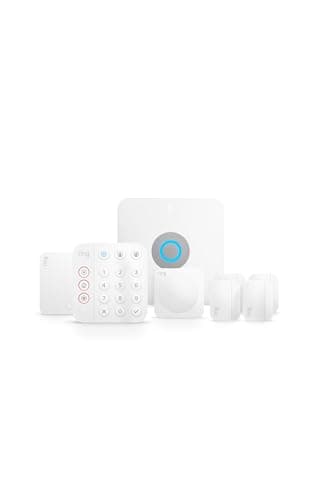
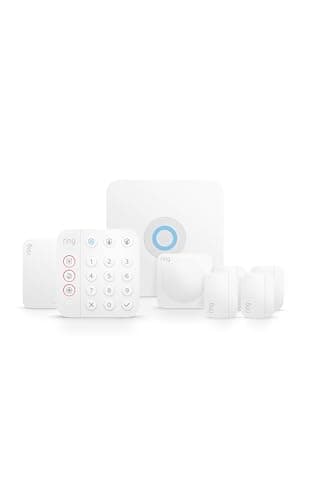
The alarm is the only part you must get right first. Everything else is additive. The Ring Alarm 8-Piece Kit is the spine: base station, keypad, entry sensors, motion detection, and self-monitoring that costs nothing forever. Buy that, live with it for a month, and add the rest once you know which positions actually matter in your house - which is a luxury a single-visit professional survey does not give you.
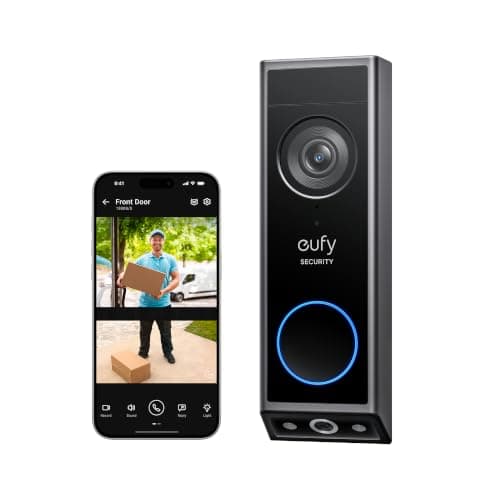
The doorbell is the piece people miss most. A bundled package almost always includes one and it is the device the household uses daily. The eufy E340 replaces it with no plan at all, and its downward second camera does something most bundled doorbells need a subscription tier to match. Best no-subscription video doorbells ranks that field in full.
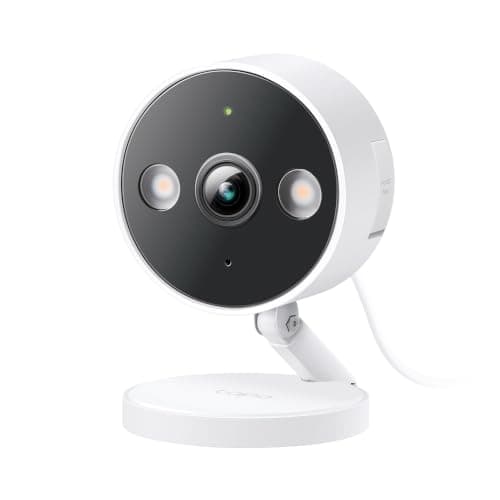
Cameras are where DIY wins on scope. In a quoted package every additional camera is another line item, so most installs end up with two or three. At these prices you can cover five positions for less than one camera inside a financed package, and the Tapo C120 is the reason - under thirty dollars, outdoor-rated, recording to a card with no fee. Our best security cameras under $50 page is the whole bracket, gated on the live listing.
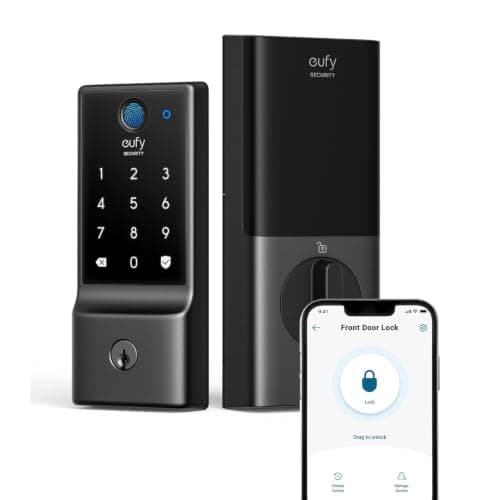
The lock is the easiest swap and the least urgent. A smart deadbolt is a self-contained purchase with no subscription anywhere in the category. Do it last, when the rest of the system is settled.
What you will actually miss
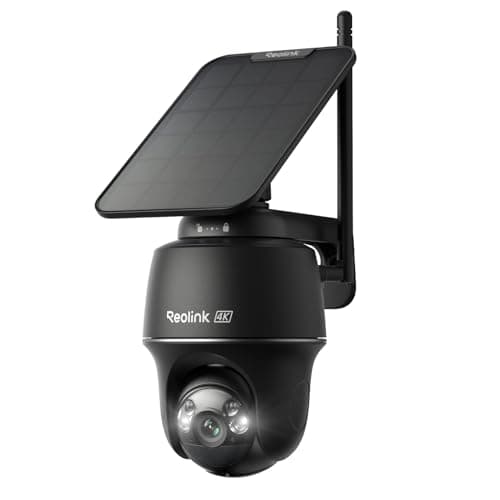
Being straight about the costs of switching, because a page that pretends there are none is not useful. You will have four apps. Ring for the alarm, eufy for the doorbell and lock, Reolink for the outdoor camera, Tapo for the cheap ones. Arming the house and checking a camera become two actions in two places. That is the single biggest day-to-day downgrade from an integrated system and no amount of enthusiasm makes it go away.
You will do the install and own the mistakes. Sensor placement, camera angles, Wi-Fi coverage at the far corner of the house - these are judgment calls, and a professional makes them faster and usually better. The upside is that you can change your mind for free, which you cannot do with a mounted, financed install.
Nobody responds unless you pay somebody. Self-monitoring means the siren sounds, your phone buzzes, and then it is your decision. For most break-ins the siren is what ends the event, which is why self-monitoring is a reasonable choice. For a household that travels, sleeps heavily, or has somebody vulnerable at home, it is not, and the sensible move is a DIY system plus an optional monitoring plan rather than no monitoring at all.
Is DIY actually cheaper?
Over three years, usually by a wide margin - but the honest comparison depends on numbers we will not invent. Vivint quotes vary by package, by property and by promotion, and the equipment is typically financed rather than priced as a single figure, so we are not going to publish a Vivint total we cannot source. What we can show is the DIY side, which is simply the hardware price plus nothing, and that is what the cost table below does.
The structural point is the one that matters: on the DIY route the recurring cost is zero unless you choose to add monitoring. There is no financed equipment balance, no agreement term and nothing to cancel. Whatever a Vivint quote says, compare it against a number that stops after the purchase.
Other systems worth comparing
Vivint is not the only professionally-installed, contract-based system people leave, and the alternatives are largely the same. If your shortlist also included SimpliSafe, our SimpliSafe alternatives page ranks the DIY alarm field on its own terms. If you want the straight head-to-head rather than a replacement plan, Ring vs Vivint and Ring vs ADT cover the comparisons directly. And if the monthly fee is the whole reason you are here, best no-subscription home security systems is the page built around that single question.
How we picked
Every product above is in our registry, every specification quoted comes from the seller's own live Amazon listing read on 2026-11-24, and every price is pulled live rather than typed in. Vivint is not sold on Amazon and is not in any affiliate program we belong to, so it appears here as comparison context only and there is nothing for us to earn either way on that side of the decision. We do not run a test lab - see the methodology page - and we have not tested a Vivint install, which is why this page describes what Vivint sells rather than rating how well it performs.
Five things to settle before you leave a bundled system
Decide whether you are leaving the bill or the monitoring. These are different problems. If you want cheaper hardware you own, DIY is the answer. If you want someone to respond at 3am, you need a monitoring plan from somebody, and the right move is a DIY kit plus an optional plan rather than going fully self-monitored.
Check the contract before you buy anything. Financed equipment and agreement terms are a money and legal question specific to your paperwork, not something a review site can answer. Read what you signed, and talk to the provider, before you order a replacement system.
Buy the alarm first and live with it for a month. It is the only piece you have to get right, and a month in the house tells you more about where cameras should go than any survey. Everything else on this page is additive.
Accept the app fragmentation, or plan around it. A mixed DIY stack means several apps. If that genuinely bothers you, keep the whole system inside one brand - the Ring alarm, a Ring doorbell and Ring cameras - and budget for the plan. One app with a fee is a legitimate choice; four apps with no fee is the other one.
Walk the Wi-Fi before you mount anything. A professional installer checks coverage as a matter of course. Do the same: stand at each planned position with your phone and look at the signal, because a camera on two bars drops clips and no app setting fixes it.