What SimpliSafe is genuinely good at
This matters, because if you are replacing hardware that works you should know exactly what you are giving up. SimpliSafe built its reputation on three things, and all three are real. It sells professionally monitored security with no long contract, which is the thing the traditional alarm industry would not do. Its install involves no drilling, which makes it one of the few monitored systems a renter can genuinely use. And its upper tiers add live-agent video verification - a person looking at your camera feed during an alarm and able to request a verified dispatch - which is a service, not a feature, and no amount of DIY hardware replaces it.
So the honest framing for this page is not that SimpliSafe is bad. It is that SimpliSafe sells a monitoring service with hardware attached, and if what you want is hardware with optional monitoring attached, you are shopping in the wrong aisle. Everything below is the second kind of product.
Reason one: the monthly bill
This is the most common reason, and it is worth looking at the actual numbers rather than the feeling. We could not load SimpliSafe's own pricing page when we checked on 2026-11-17, so we are using SafeWise's SimpliSafe cost round-up, last dated 1 May 2026, which lists five tiers: self-monitoring with camera recordings at $9.99 a month, Standard at $22.99, Core at $32.99, Pro at $49.99 and Pro Plus at $79.99. SafeWise also states that camera recording is not available without a monitoring plan. Confirm today's numbers with SimpliSafe before you make a decision on them - that is a third-party figure, not the company's own page, and we are not going to present it as more than it is.
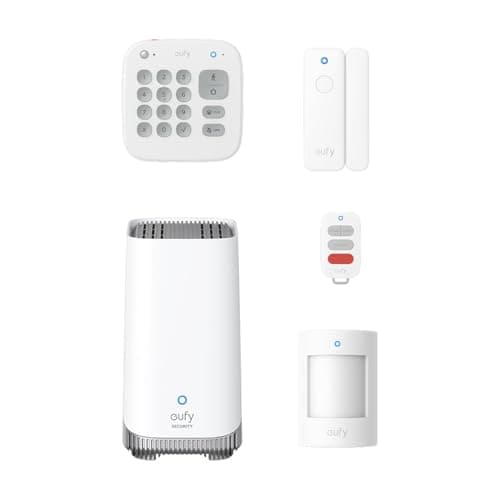
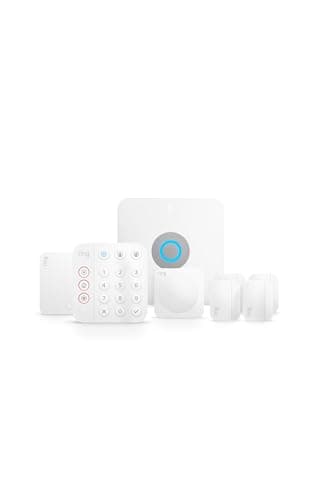
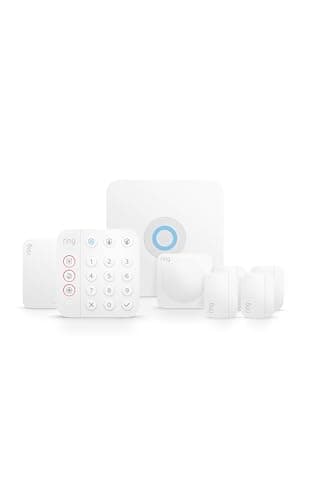
Against that, Ring's own plan page on 2026-11-17 lists Ring Solo at $4.99 a month for one device, Ring Multi at $9.99 for every device at one location, and Ring Pro at $19.99, which is the tier that includes 24/7 professional monitoring. eufy's own monitoring page lists Basic at $4.99 a month and Plus at $9.99 a month. In other words, both alternatives offer dispatch below the price of SimpliSafe's cheapest dispatch tier as reported - and the eufy kit will also work indefinitely with no plan at all.
Before you switch on cost alone, run the three-year number in the table on this page. Moving from a mid SimpliSafe tier to Ring Pro saves real money per month, but you are also buying a kit, so the break-even is usually somewhere in year one. How much does a home security system cost has the full math, and do you need a monitoring plan is the page to read if you are considering dropping dispatch entirely rather than switching brands.
Reason two: camera recording behind a plan
The second reason people leave is discovering that the camera they bought will not save anything without a subscription. If that is your objection, be careful which alternative you choose, because Ring works the same way: saved clips need a Ring plan. Only one kit here breaks the pattern, and it breaks it completely - eufy's HomeBase 3 stores video in your house, expandable to 16TB, with no video plan sold at all.
That is a different architecture rather than a discount, and it comes with a different risk. Cloud video survives someone stealing your hub; local video does not. Local video survives a company changing its pricing, discontinuing a tier or going out of business; cloud video does not. Local vs cloud camera storage walks through both failure modes, and best no-subscription home security systems ranks the whole field on this single question if it is the one that decides your purchase.
Reason three: the system does not talk to the rest of your house
The third reason is quieter and tends to show up a year in. You bought an alarm, then you bought a doorbell and two cameras, and now you have three apps and no automations between them. A DIY alarm is worth more when the alarm, the cameras and the voice assistant are the same system: arming by voice on the way out, the hallway camera recording when the alarm trips, the doorbell announcing on a speaker rather than only on a phone.
Ring is the strongest answer to that today, because the accessory catalogue is the widest and the Alexa integration is the deepest - and most houses that own an alarm already own an Echo. eufy is the strongest answer if your cameras are already eufy, since HomeBase 3 becomes the recorder for up to sixteen of them. Best home security systems with cameras covers that combination, and smart home security automations has the automations worth setting up once the pieces are in one app.
What switching actually costs you
Three things, and none of them appear on a spec sheet. First, the install work: peel-and-stick sensors come off, new ones go on, and every door and window gets re-tested. Second, the monitoring relationship - if you are moving from professional dispatch to self-monitoring, the thing that happens when an alarm trips is now your phone buzzing rather than a monitoring center calling, and that is a genuine downgrade in the middle of the night. Third, any SimpliSafe accessories you own, which do not move to another system.
There is one accessory that goes the other way: the SimpliSafe smoke and carbon monoxide alarm listener in our catalogue exists precisely because listeners bridge an old alarm to a new system. Best smart smoke detectors covers what listeners can and cannot do if you are keeping some of your current hardware.
How we ranked these
In this order. First, whether the kit answers one of the three reasons people actually leave SimpliSafe, clearly, rather than being a slightly different version of the same deal. Second, what it costs to run with no plan at all, because that is the number SimpliSafe makes hardest to get to. Third, what dispatch costs if you want it, from the vendor's own published plan page rather than a third-party summary. Fourth, where the video lives and who can switch it off. Fifth, how far the system grows: the alarm you buy is the accessory catalogue you are buying into.
We do not score these systems and we have not run break-in tests, because we do not run an alarm lab. Every hardware specification here is the manufacturer's or seller's own published claim, read on the date in the sources below. Ring and eufy plan prices come from their own plan pages, read on 2026-11-17. SimpliSafe plan prices are SafeWise's reported figures, because SimpliSafe's own page would not load for us - they are labeled that way everywhere they appear on this page, including in the cost table. If you would rather start from your situation than from a brand, how to choose a home security system is the page that does that.
Four checks before you replace a working alarm
Separate the service from the hardware. Write down which of the three reasons above is actually yours. If it is the bill, a cheaper plan on new hardware may save less than dropping to self-monitoring on the hardware you already own - and that change costs nothing. DIY vs monitored home security is the honest version of that decision.
Count the sensors you actually need, not the kit size. An eight-piece kit and a five-piece kit are both starting points; the number that matters is doors plus ground-floor windows plus one motion sensor per main route through the house. Best door and window sensors covers what to add and what it costs per opening.
Decide the video question before the alarm question. If plan-gated recording is your complaint, the eufy kit is the only one here that fixes it outright. If you are fine with a plan but want it cheaper, Ring covers alarm and cameras on one subscription, which is usually the bigger saving.
Check cellular backup if you are leaving monitored service. A monitored SimpliSafe has a cellular path when your internet fails. Among these three, only the Ring Alarm Pro publishes internet and cellular backup, and only with the Ring Pro plan. Do home security systems work without Wi-Fi covers what each system does when the line goes down.