Skip to content
Latch & Hub

Cameras · Security Cameras

Do Security Cameras Work in Cold Weather?

Yes — up to a published limit, and the limit is usually set by the battery rather than the camera. The frustrating part is how few manufacturers publish a temperature range at all. Here is what cold does, which numbers to look for, and which cameras actually state one.

By Stephen V.Updated How we choose
#ad

We earn a commission when you buy through our Amazon links, at no extra cost to you. It never changes our rankings — where the subscription-free or cheaper option is the better buy, we say so. How this works.

Verdict

The bottom line

Security cameras work in cold weather down to a published operating temperature, and the limit is almost always set by the lithium battery rather than the electronics or the lens. Two things follow. First, a hardwired camera is the reliable winter choice because it has no battery to fail — the Ring Floodlight Cam Wired Plus is rated -5 F to 118 F, and a PoE system like the Reolink RLK8-800B4 removes the battery entirely. Second, if you need a battery camera, buy one whose maker publishes a range: Reolink rates the Argus PT Ultrafrom 14 F to 131 F. Below a camera's published floor the failure is usually the battery refusing to charge or holding far less capacity rather than the camera breaking, and the practical fix in a genuinely cold climate is mains power or PoE.

Every outdoor camera is sold with a weatherproofing rating, and almost everybody reads that rating as covering cold. It does not. An IP number describes resistance to solid objects and water — IP65, IP66, IP67 — and says nothing whatsoever about temperature. A camera can be perfectly sealed and still stop working at -10 F. The spec that governs cold is the operating temperature range, and the single most useful thing to know about this category is how often it is simply not published.

What cold actually does, in order of how likely it is

The battery loses capacity, then refuses to charge.This is the failure almost everyone experiences and it is chemistry, not a defect. A lithium-ion cell's internal resistance rises as temperature falls, so it delivers less usable energy; below freezing, most lithium cells should not be charged at all, and the charge controller in a well-designed camera will refuse to do it to protect the cell. The practical result is a solar camera that drains through a cold snap and will not take the charge the panel is offering, which looks exactly like a broken camera and is not.

Runtime collapses long before anything fails. A battery camera that lasts three months in summer can need recharging in weeks in midwinter, because the cold costs you capacity at the same time as long nights cost you solar input and short days increase motion events. Two effects, same direction.

Condensation and ice get on the lens. Not a camera fault either, but it is what actually ruins the footage. A sealed camera with a temperature differential across the housing will fog or frost on the outside of the lens cover, and an infrared illuminator lighting up a frosted cover produces a white glare rather than a picture. Mounting under an eave or a soffit solves most of this and is free.

Image quality drops in a less obvious way. Sensors are a little noisier when cold, and more noise means the encoder has more random data to transmit — which is one reason winter footage can take more storage and bandwidth than summer footage of the same scene, as we cover in how much data do security cameras use.

Plastics get brittle. Mounts, gaskets and cable jackets all stiffen. This is a several-winters problem rather than a this-winter problem, but it is why a camera on an exposed mount tends to need re-aiming after a hard winter.

Which numbers to actually look for

Three specs, and only one of them is about cold.

Operating temperature range. The one that matters. It is a manufacturer commitment about the range in which the product is designed to function. Of the cameras in our registry, Ring publishes -5 F to 118 F for the Floodlight Cam Wired Plus and Reolink publishes -10 to 55 C (14 to 131 F) for the Argus PT Ultra. Most makers publish nothing, including for cameras we otherwise rate highly.

The IP rating. Useful, but for water and dust. IP65 resists water jets, IP67 adds temporary submersion. Neither implies anything about cold — though good sealing does help with the condensation problem above, because moisture that cannot get inside cannot freeze inside.

Power type. Not a number, and arguably the most important factor. A hardwired or PoE camera has no battery, which removes the failure mode that accounts for most cold-weather complaints. If you live somewhere that regularly goes below 0 F, this is the spec that decides it, not the temperature rating.

Why so few manufacturers publish a range

Partly because consumer cameras are specified for a consumer climate and the marketing lives on IP ratings, which sound reassuring and are easier to test. Partly because the honest number for a battery camera is awkward: the electronics would run far colder than the cell will, so a published range has to be set by the battery and that number is not a selling point. And partly because a range invites warranty claims. Our policy on this site is that we only credit a figure a manufacturer publishes — where there is no number, we say there is no number rather than estimating one, which is why this page names two cameras and not ten.

What to do if you live somewhere genuinely cold

In rough order of how well it works.

Hardwire or run PoE. This is the real answer. No battery means no battery failure, and a continuously powered camera also records continuously, which is what you want in a season when things happen in the dark. What is a PoE security camera explains the setup and best wired security camera systems ranks the kits.

Mount under cover. An eave, a soffit, a porch roof or a deep lintel keeps snow off the lens, keeps direct precipitation off the housing and reduces the temperature swing that causes fogging. Costs nothing, helps more than any spec. Where to place security cameras covers the geometry.

Bring the battery indoors to charge. On cameras with a removable pack this is the standard winter routine: swap packs, charge the cold one at room temperature, repeat. Charging a lithium pack below freezing is the thing to avoid, and letting it warm up first is the whole trick.

Re-angle the solar panel for a winter sun. A panel set in June is aimed for a high sun. In December the sun is low and the day is short, so a steeper angle facing closer to due south collects meaningfully more. This is the most commonly skipped maintenance job on any solar camera — best solar security cameras covers the panel side in detail.

Accept a shorter recording window. Tighten motion zones so the camera is not waking for passing cars, and lower the clip length. Fewer wake-ups is directly fewer battery cycles at the worst time of year to be spending them.

What about heat at the other end?

Worth a line, because the same spec covers it and the summer failure is real. Ring's published ceiling is 118 F and Reolink's is 131 F, and a dark camera housing in direct afternoon sun on a south-facing wall can exceed ambient air temperature by a wide margin. The symptoms are a camera that drops offline in the afternoon and comes back in the evening, which people reliably diagnose as a Wi-Fi problem. It is not. Shade it. The same diagnostic confusion is covered in why is my security camera offline.

The three cameras below

Two of them publish an operating temperature range, which is why they are here, and one of them has no battery to fail. They are not a ranking of the whole camera field — that is in best outdoor security cameras — they are the picks we would choose on cold-weather grounds specifically.

The short answer

Quick picks

Tap any row for the full write-up.

  • Ring Floodlight Cam Wired Plus
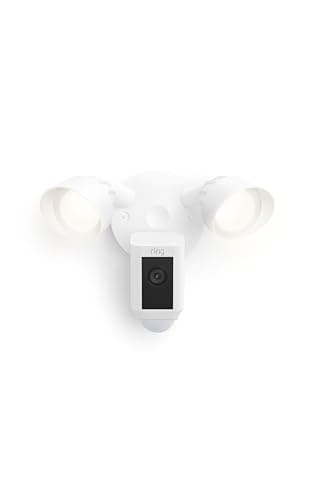
    01 Ring Floodlight Cam Wired PlusTop pick

    The best cold-weather camera in our registry for a simple reason: it is hardwired, so there is no battery to fail, and Ring publishes an operating range of -5 F to 118 F — the lowest published floor of anything we list.

    Best for: The coldest climates, where a published floor and no battery both matter · No Matter — Ring app and Alexa

    $89.99View on Amazon

    $179.9950% off

    #ad · we may earn a commission from this link to Ring Floodlight Cam Wired Plus

  • Reolink Argus PT Ultra
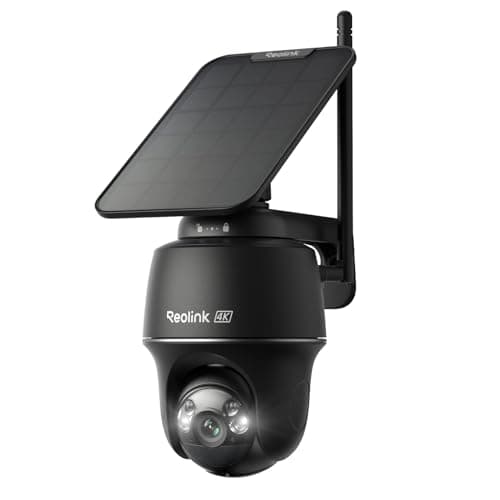
    02 Reolink Argus PT Ultra

    The battery camera to buy if you need one in a cold climate, because Reolink actually publishes the range: -10 to 55 C, or 14 F to 131 F. Everything else here is 4K on a pan-and-tilt head with a solar panel in the box — just plan on hand-charging it in deep winter.

    Best for: A no-power mount point, with a published range to plan around · No Matter (Reolink app; Alexa & Google)

    $159.99View on Amazon

    #ad · we may earn a commission from this link to Reolink Argus PT Ultra

  • Reolink RLK8-800B4 4K PoE System
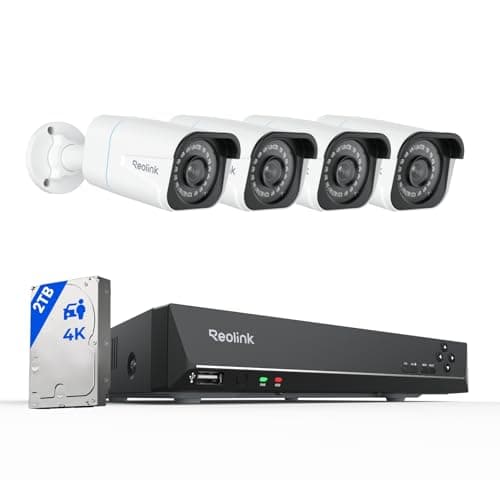
    03 Reolink RLK8-800B4 4K PoE System

    The no-battery, no-subscription winter setup. Four 4K cameras on PoE cable recording continuously to a 2TB drive — no cells to lose capacity, no solar day to ration, and the footage exists through the whole dark half of the year.

    Best for: Continuous winter coverage with no battery anywhere in the system · No Matter (local NVR + Reolink app)

    $699.99View on Amazon

    $749.997% off

    #ad · we may earn a commission from this link to Reolink RLK8-800B4 4K PoE System

#ad · Live prices from the Amazon Product API, as of October 5, 2026. Where we have no verified live price we show none — we would rather leave a gap than print a number that has rotted.

Published cold-weather specifications — where a maker commits to a number, and where it does not
DevicePublished operating rangePower typeSealingBattery in the system?
Ring Floodlight Cam Wired Plus-5 F to 118 FHardwired 100-240 VWeather-rated (no IP published)No
Reolink Argus PT Ultra14 F to 131 F (-10 to 55 C)Battery + 3W solar panelIP65Yes
Reolink RLK8-800B4 (PoE kit)Not publishedPoE cableIP67No
eufy SoloCam S340Not publishedBattery + solar panelIP67Yes
Blink Outdoor 4Not publishedReplaceable cellsIP65Yes
Wyze Cam v4Not publishedWired (outlet)IP65No

In detail

The picks, in full

01

Ring Floodlight Cam Wired Plus

Top pick
Ring Floodlight Cam Wired Plus
$89.99View on Amazon

$179.9950% off

Price as of October 5, 2026. Amazon's price at checkout is the one that counts.

#ad · we may earn a commission from this link to Ring Floodlight Cam Wired Plus

The best cold-weather camera in our registry for a simple reason: it is hardwired, so there is no battery to fail, and Ring publishes an operating range of -5 F to 118 F — the lowest published floor of anything we list.

  • Rated -5 F to 118 F (published range)
  • Hardwired 100-240 V — no battery
  • 1080p HD, color night vision
  • Two 3000 K floodlights, 2,000 lumens
  • 105 dB remote-activated siren
  • 140 degrees horizontal, 80 degrees vertical
Matter: No Matter — Ring app and AlexaFee: A Ring subscription is required to save and review recorded videoResearched, not hands-on tested

Good

  • A published -5 F floor is the lowest committed figure in our registry, and it is a manufacturer statement rather than our estimate
  • Hardwired power removes the single most common cold-weather failure outright: there is no lithium cell to lose capacity or refuse a charge
  • 2,000 lumens of floodlight is worth more in winter than any other season, when the useful footage is almost all after dark
  • Being mains-powered, it is not rationing wake-ups through a short solar day the way a battery camera is

Less good

  • 1080p is modest resolution, and winter scenes with snow glare and infrared are the conditions that punish a low pixel count hardest
  • It needs mains wiring at the mount point, so in a house with no exterior fixture box it is an electrician before it is a camera
  • A Ring subscription is required to save and review recorded video, which is a recurring cost the PoE pick below does not have

Skip it if: there is no power where you need the view, or you refuse a monthly fee — in both cases the Reolink picks below are the better answer.

Separate the IP rating from the temperature rating

If you take one thing from this page, take this: IP65 and IP67 are about water and dust, not cold. A camera rated IP67 with no published operating range has told you it survives being rained on and told you nothing about January. Conversely, a camera with a published low-end figure and a modest IP rating has committed to the thing you are actually asking about. When you compare two cameras for a cold climate, look for the temperature line first and treat a missing one as a missing answer rather than a good one.

Choose the power type before the camera

In a climate that regularly goes below about 10 F, the decision is not which battery camera to buy, it is whether to buy a battery camera at all. Mains or PoE power removes the component that fails, and it also removes the winter maintenance routine of swapping and charging packs in the one season you least want to be up a ladder. If a particular view genuinely has no cable route, buy a battery camera with a published range and plan to hand-charge it — but do not expect a solar panel to carry a northern December.

Mount under cover, then aim

An eave or soffit mount does four things at once: keeps snow off the lens cover, keeps precipitation off the housing seams, reduces the temperature differential that causes fogging, and keeps direct summer sun off the body so the top of the operating range matters less too. It is the single highest-value free decision in a cold climate. Then aim along paths rather than across them, so a subject spends several seconds in frame — which matters more in winter when the camera is working with less light.

Plan the winter routine before winter

Write down three things in October: when you will re-angle the solar panel, where you will charge a cold battery pack indoors, and how you will reach each camera if it needs attention with snow on the ground. The cameras that get abandoned are not the ones that fail, they are the ones that became annoying to maintain. If that list looks unpleasant, that is the real argument for wiring them instead.
How we chose

We don't run a test lab

We don't wire every one of these into a test rig, and we won't write "in our testing" as if we do. What we did instead: pulled each product's published specifications, confirmed its Matter/Thread/HomeKit support from the manufacturer's own documentation, added up the real 3-year cost with any monthly fee included, and read the aggregated verified-buyer sentiment. Every pick is chosen against that published method. Where a number came from someone else, we name and link them in Sources.

Questions

Frequently asked

At what temperature do security cameras stop working?
At whatever the manufacturer publishes as the bottom of the operating range — and most manufacturers do not publish one. Of the cameras in our registry, Ring rates the Floodlight Cam Wired Plus to -5 F and Reolink rates the Argus PT Ultra to 14 F. Below a published floor the camera does not usually break; it misbehaves, most often by the battery refusing to charge or holding a fraction of its capacity. A hardwired camera has far more margin than a battery one because the battery is the limiting component.
Does IP65 or IP67 mean a camera is good in cold weather?
No. IP ratings describe resistance to solid particles and water only — IP65 for water jets, IP67 adding temporary submersion. Neither says anything about temperature. Good sealing does help indirectly, because moisture that cannot get into the housing cannot freeze inside it, but a well-sealed camera with no published operating range has not answered the cold question at all.
Why does my battery camera die in winter?
Chemistry plus daylight. A lithium cell's internal resistance rises as it gets colder, so it delivers less usable energy, and below freezing most lithium cells should not be charged at all — a well-designed charge controller will refuse, which is why a solar camera can sit in sunshine and not take a charge. At the same time winter days are shorter, so the panel collects less. Two effects pushing the same way. The fixes are hand-charging a pack indoors, re-angling the panel for a low sun, and tightening motion zones to reduce wake-ups.
Will a security camera lens freeze or fog up?
The outside of the lens cover can frost or fog, yes, and it is the most common reason winter footage is unusable even from a camera that is working perfectly. An infrared illuminator lighting up a frosted cover produces glare rather than an image. Mounting under an eave, soffit or porch roof prevents most of it by keeping precipitation off and reducing the temperature swing across the housing. Internal fogging is a seal failure and a warranty matter.
Are wired cameras better than battery cameras in the cold?
Clearly, and for a structural reason rather than a build-quality one: the battery is the component that cold affects most, and a wired or PoE camera does not have one. That is why our top pick here is hardwired and our third pick is a PoE system with no battery anywhere in it. If you live somewhere with real winters and can get power or cable to the mount point, that is the decision. The full trade-off is in wired vs wireless security cameras.
Do solar security cameras work in winter?
They work, but with far less margin than in summer, and in a northern winter they frequently do not keep up. A panel set at a summer angle collects poorly from a low winter sun, the day is short, and the cell it is charging is cold and less willing to accept charge. The practical answer is to re-angle the panel steeper and closer to due south in autumn, and to accept that a hand-charge or two across the winter is normal rather than a fault. See best solar security cameras for the panel side of this.

Keep reading

Receipts

Sources

We do not run a test lab, and we do not pretend to. Compatibility and subscription-cost claims come from the manufacturer's own documentation and the live retailer listing, read on the dates shown. Read our full method.