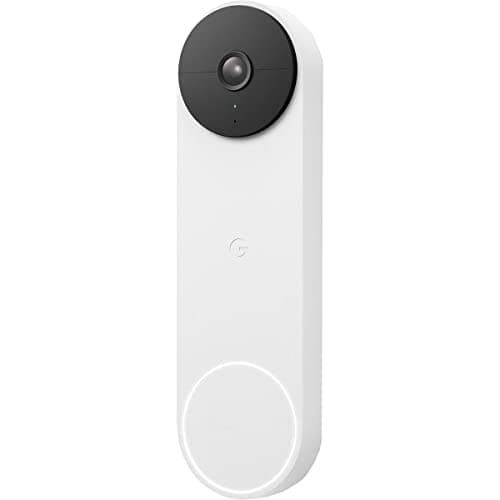
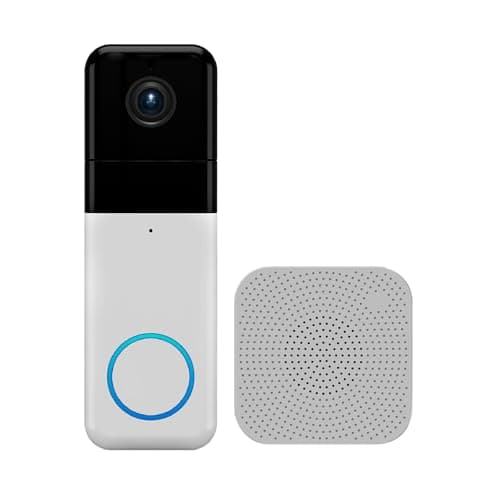
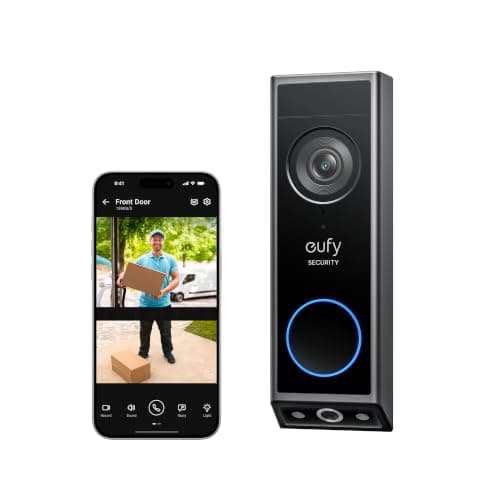
The honest version of this question is uncomfortable for everyone selling doorbells, including us: a camera on your door does not physically stop anybody picking up a box. SafeWise's 2025 package theft report — its eighth annual, run on a national survey — found that 30% of people whose package was stolen already had a security camera or a video doorbell when it happened. A camera is not a lock. What it changes is information, and information turns out to be worth quite a lot. The trick is buying for the part that works.
What the data actually says
SafeWise's 2025 report estimates about 104.3 million packages stolen in the United States over twelve months — down 13.4% from roughly 120.6 million the year before, the first decline in the report's history — with consumer losses of about $14.9 billion and an average stolen package value of $143. Three other numbers in the same report matter more for this decision:
12% of victims reported the theft to police. 4% recovered the package. 30% already had a camera or doorbell. Put those together and the picture is clear: footage rarely produces a recovered parcel. Expecting your doorbell to get your sneakers back is the wrong expectation, and any article promising otherwise is selling you something.
The same data explains what does help. The report found porches within about 25 feet of the street were the most vulnerable, and that the large majority of victims added some deterrent afterward — most often a camera. Deterrence and speed are the realistic goals: a visible camera makes your door a worse target than the undefended one two houses down, and an alert that tells you a parcel has arrived gets the box inside before anyone passes.
The four things a doorbell genuinely does for package theft
One: it collapses the window. Most parcels are stolen in the gap between the courier leaving and you getting home. A doorbell that alerts you the moment something is left turns a six-hour window into a ten-minute one, if there is anyone home or nearby to act — a neighbor, a partner working upstairs, a teenager. This is the single biggest effect and it has nothing to do with video quality.
Two: it gives you a timestamp.Carrier claims and retailer replacements turn on whether a delivery happened and when. A clip showing the courier arriving at 2:14pm and a second clip showing someone else taking the box at 2:41pm is a far stronger claim than "it never arrived". For this to work, the clip has to still exist when you need it, which is an argument for local storage over a short free cloud window.
Three: it deters the opportunist. Nobody can measure this honestly, and we are not going to invent a percentage for it. What is defensible is the logic: porch theft is overwhelmingly opportunistic, and a visible camera, a lit porch and a parcel out of sight from the sidewalk all raise the effort of your particular door. A floodlight camera over the drive does more of this than the doorbell itself.
Four: it lets you answer the door from anywhere. Two-way talk means you can ask a courier to leave the parcel behind the planter or around the side, which moves it out of view from the street. That one habit prevents more theft than any sensor on the device.
What a doorbell does not do
It does not create a locked space. If you live on a busy street, a parcel locker, a lockbox with a code, in-garage delivery or a pickup point is the actual fix, and the doorbell is the thing that tells you to use them. It also does not watch the ground reliably unless you choose the right model: a standard forward-facing doorbell mounted at the usual height frames a person's torso and often cuts off the doormat entirely, which is why the pick order on this page is driven by whether the camera can see the drop spot at all.
And it does not record continuously. Doorbells capture event clips, not a timeline, so a quiet pickup at the edge of the detection zone can be missed — the mechanics are in do video doorbells record all the time. Nor does it keep those clips forever: free retention windows are measured in hours on some brands, and video doorbell storage explained covers who keeps what.
How to set it up so it actually helps
Three settings do most of the work. First, turn on package or parcel alerts if your doorbell publishes them, and turn off as much general motion alerting as you can live without: a doorbell that cries wolf forty times a day is a doorbell nobody checks, and the alert you need is the one you notice. Second, set the motion zone to include the step and the path, not the sidewalk — the single most common misconfiguration, and the cause of most false alerts. Our guide to reducing false alerts applies directly.
Third, give the courier somewhere better to put it. Delivery instructions in the retailer app, a visible lockbox, or a note on the door do more than any feature on the device. Then use the doorbell for what it is good at: telling you the moment the thing you ordered is sitting outside, and keeping the clip in case it is not there when you look.
If you want the full field ranked on this one feature rather than the broader question, our video doorbells with package detection roundup compares which models publish the feature and which charge for it — Ring's Battery Doorbell Plus, for example, does not list package detection among its features and needs a plan to keep clips at all.
Buying for package theft specifically
Check the frame shape before the resolution. A doorbell that cannot see the ground where parcels land is the wrong tool at any megapixel count. A second downward camera is the strongest answer; a tall or square (1:1) frame is the next best. A wide 16:9 letterbox view is the worst shape for this job even though it sounds the most generous.
Prefer package-specific alerts."Motion detected" forty times a day trains you to ignore the notification that mattered. A doorbell that can say "a package was left" is buying you the attention you will need in the ten minutes that count.
Insist on storage you will still have. The clip is only useful if it exists when you file the claim, which usually means days later. Local storage — a card, built-in flash or a hub — removes the risk of a lapsed plan or a three-hour cloud window. The no-subscription doorbells page lists every model that keeps clips for free.
Then fix the drop spot.The cheapest improvement is free: route deliveries somewhere out of sight from the street, and use the doorbell's two-way talk to ask when a courier is standing there. The device tells you; the habit protects the box.