Almost everyone shopping for a security system actually wants two things at once: an alarm that sounds the moment a door or window opens, and a camera so they can see what set it off - was it a package, a cat, or someone who should not be there. The problem is that the alarm and the camera are usually sold as separate worlds, on separate apps, and stitching them together after the fact is where the frustration lives. This page is the shortlist of systems that solve that up front: an alarm and a camera that belong to the same ecosystem and answer to the same app. One does it by building the camera into the base station; the other two do it by pairing cleanly with cameras you add. All three are ranked here with the honest trade-offs spelled out.
What "a system with a camera" really means
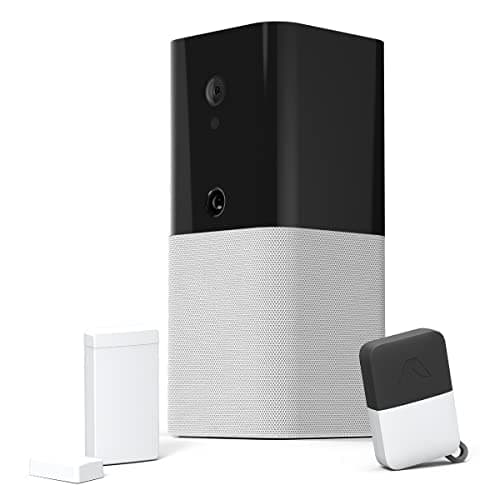
There are two honest ways a security system can "have a camera," and the difference decides which pick suits you. The first is a camera built into the system - the base station that houses the siren and radios also has a lens, so the moment you buy the kit you have an alarm and a live view in one device. That is the abode iota, and it is the reason it is our top pick: nothing else here gives you the camera in the box. The second way is a system that pairs cleanly with cameras you add later, so the alarm and the cameras share one app, one login and one set of alerts even though the camera is a separate purchase. That is both Ring systems: the alarm handles the sensors and siren, and Ring cameras and doorbells drop into the same Ring app beside it.
Neither approach is wrong - they suit different homes. A built-in camera is the tidiest answer if you want the essentials covered from a single box and one room of coverage is enough to start. A pairs-with-cameras system is the more scalable answer if you know you will end up with a camera on the porch, one over the driveway and a doorbell, because you are buying into a camera line that grows. The one thing we refuse to blur is the difference: we do not credit a system with a camera it does not have, and where a listing is silent on which extra cameras or local recording it supports, we mark it as Not listed rather than assume it. If you want the wider field of alarm systems without the camera angle, our best home security systems roundup ranks them all.
The three picks, and how they differ
The abode iota is the top pick because it is the only true all-in-one. The base station that sounds the alarm has a camera built into it, so one kit gives you the siren, the door/window and motion sensors, a key fob and a live view - no second app, no separate camera to buy for basic coverage. It is also the most flexible on ecosystem: its listing names Apple HomeKit, Alexa and Google, which is the widest reach on this page and the only one that welcomes an Apple household. DIY install, a free self-monitoring tier, and professional monitoring left as an option rather than a requirement. Its one real limit is scope: the camera watches the room the base sits in, so wider coverage still means adding cameras. Our full abode iota review digs into how the integrated camera behaves day to day.
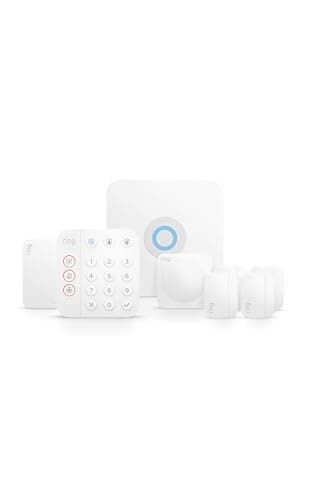
The Ring Alarm 8-Piece is the pick if you are buying into Ring. It has no camera of its own - it is the alarm half - but that is the point: it shares the Ring app with every Ring camera and doorbell, so you buy the kit for the sensors and siren, add a camera or two, and run all of it from one app with Alexa. Self-monitoring is free, so you get alerts and control with no mandatory plan, and inexpensive no-contract professional monitoring is there if you want it. The camera you most often add to it is the Ring Stick Up Cam, which pairs straight into the same app. The honest catch is that saved clips from Ring cameras live behind a Ring Home subscription, so "one app" can still mean a monthly fee for recorded video. Our Ring Alarm review covers the kit in full.
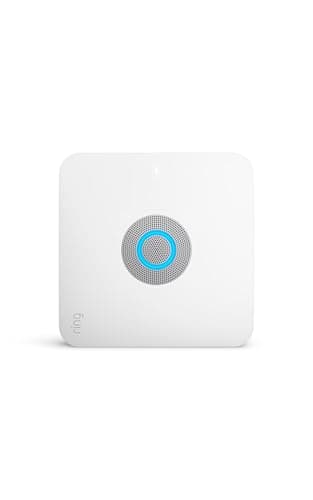
The Ring Alarm Pro is the same alarm with a router bolted on.The base station is a built-in eero Wi-Fi 6 router, and it adds local video recording through Ring Edge plus cellular and battery backup when you carry a plan - so it can keep working through an internet or power interruption. For the right buyer that is a genuinely neat consolidation: one box becomes both the home's router and its alarm hub. For everyone else it is hardware you are paying for twice, because if your current router is fine you gain little over the standard Ring Alarm. Buy it for the router and the backup, not as a default. The Ring Alarm Pro review weighs exactly when the upgrade earns its keep.
Where the camera actually comes from
This is the crux of the whole page, so it is worth being blunt. With the abode iota, the camera is already there - it is inside the base station you were going to buy anyway. With either Ring system, the camera is a separate purchase that you add to the alarm. That is not a knock on Ring; a great many people prefer it, because it lets you put the camera exactly where you need it - a battery camera on a fence, a wired one on the porch, a doorbell at the door - rather than being limited to wherever the base station happens to sit. The Ring line has a camera for nearly every mount, and they all share the app with the alarm.
So the practical question is not "which system has a camera" but "how many cameras, and where." If one indoor view from the hub is enough to start, the iota's built-in camera is the least-fuss answer. If you already know you want the porch, the driveway and the back door covered, you are really buying a camera system as much as an alarm, and the Ring route - alarm kit plus a set of Ring cameras in one app - scales to that better. Either way, when you get to choosing the cameras themselves, our best home security cameras guide ranks the options that pair with these systems, and if you are still deciding whether you even need the alarm or just the cameras, our security system or just cameras explainer settles that first.
The subscription reality, told straight
Two separate fees can attach to these systems, and it is easy to conflate them. The first is professional monitoring- paying a company to watch the alarm and call for help. On all three systems that is genuinely optional: every one includes free self-monitoring, where the alarm sounds and your phone gets the alert, and you decide whether to add a paid plan for 24/7 response. Ring's professional monitoring is inexpensive and has no contract; abode's is likewise an optional add-on. In every case, confirm current pricing before you commit, because plan tiers change. Whether that plan is worth it for you is exactly the question our do you need a monitoring plan guide is built to answer.
The second fee is saved video, and this is where the "system with a camera" angle gets a caveat. On the Ring systems, live view is free, but saving and reviewing recorded clips from Ring cameras generally requires a Ring Home subscription - so the video half of your one-app setup can carry its own monthly cost. The abode iota's recording and storage terms are not detailed on its listing beyond the optional monitoring, so we do not claim free cloud saving it does not name; treat recorded storage as a "confirm current pricing" item there too. The honest summary: budget for the hardware first, then decide plan by plan what you actually want to pay to keep - do not assume saved clips are free just because the live view is.
One ecosystem, one app - why it is the whole point
The reason to buy a system-with-a-camera rather than an alarm from one brand and a camera from another is simple: fewer apps, fewer logins, one place for alerts. When a sensor trips, you want to open one app and immediately see the camera view for the same event, not juggle two notifications from two vendors that do not talk to each other. The abode iota delivers that natively - alarm and camera are the same device. Ring delivers it by keeping its whole line, alarm and cameras and doorbells, inside the Ring app with Alexa voice control across all of it. The two Ring systems are so close that the choice between them is really just "do I also want a router," and if you are weighing abode against Ring on the alarm itself, our Ring Alarm vs abode iota comparison is the head-to-head.
A note on ecosystem breadth, because it can quietly decide the whole purchase. The abode iota is the only pick here whose listing names Apple HomeKit, so if your home runs on Apple and you want the alarm and its camera to appear in the Home app, it is effectively the pick by default - both Ring systems name Alexa but not HomeKit. If you are already an Alexa and Ring household, the reverse is true and the Ring route feels native. Match the system to the ecosystem you already live in and the day-to-day experience is dramatically smoother than trying to bridge two that were never meant to meet.
The honest caveat
The same disclosure sits on every page here: we do not run a security lab. This ranking is built from each system's own Amazon listing and manufacturer documentation, read on August 1, 2026. We recorded only the features and compatibilities each system actually names - built-in camera, ecosystem support, monitoring options - and marked anything a listing left unsaid as Not listedrather than filling the gap from memory. That is why the compatibility matrix below has "Not listed" cells where a plainer roundup would guess a checkmark. This is a researched roundup, not a hands-on test; the full method is on our methodology page.
First: camera in the box, or a camera you add?
This is the fork that removes most of the field. If you want the essentials covered from a single purchase and one room of coverage is enough to begin with, buy the system with the camera built in - the abode iota, where the alarm base and the camera are the same device. If you already know you will want several cameras in specific spots - the porch, the driveway, a doorbell - you are really buying a camera system alongside the alarm, and a Ring kit that shares one app with a whole camera line scales to that far better. Answer this before you look at anything else, because it decides whether you are buying one box or a platform.
Then: match the system to your ecosystem
For an Apple household, the abode iota is effectively the default - it is the only pick here whose listing names Apple HomeKit, so the alarm and its camera can appear in the Home app. For an Alexa and Ring household, either Ring system feels native, with Alexa voice control across the alarm and every Ring camera. Both abode and Ring name Google as well. Do not fight your existing ecosystem: the whole benefit of a system-with-a-camera is one app and one set of alerts, and that only holds if the system speaks the language your home already runs on.
Then: settle monitoring and saved video separately
Keep the two fees apart in your head. Monitoring - paying someone to watch the alarm - is optional on all three; each includes free self-monitoring, and both abode and Ring offer optional no-contract professional plans (confirm current pricing). Saved videois the separate one: on Ring, keeping recorded clips generally needs a Ring Home subscription, so budget for it if you want footage you can review later. Decide each on its own merits rather than assuming a system is "free" or "paid" overall. If you would rather avoid ongoing fees wherever possible, start with our no-subscription security systems guide, and if you are still torn on professional monitoring, the DIY vs monitored breakdown lays out the real trade.