Cheap is easy. Cheap to own is the hard part. A security camera's sticker price is only the deposit, because the recorded clips - the entire point of a camera - are often locked behind a monthly plan. This page ranks three genuinely inexpensive cameras on the cost that actually adds up, the monthly one, and is blunt about the single pick here that still asks for a subscription to show you what it saw.
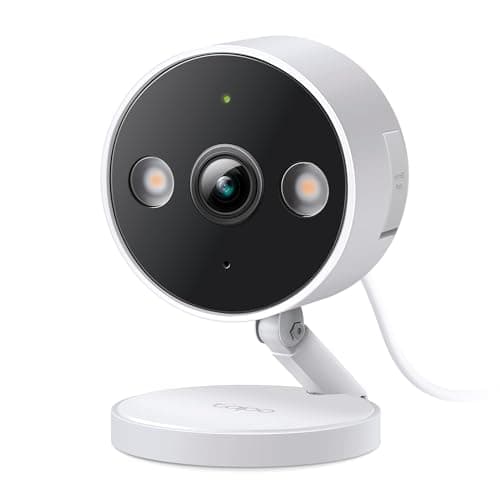
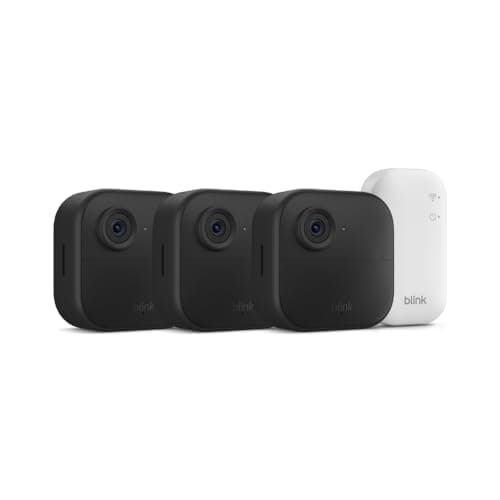
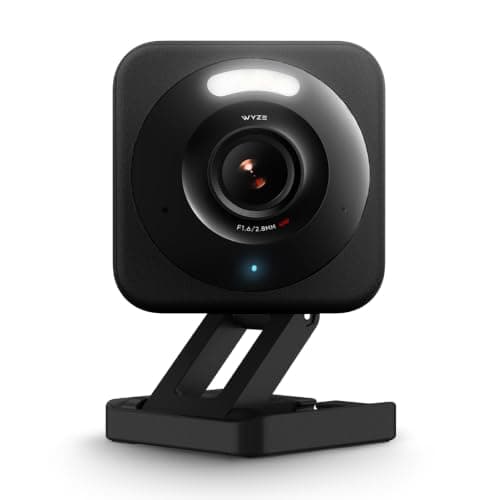
Two of the three below record locally for free. The Wyze Cam v4 and the Tapo C120 both write footage to a microSD card, so once you buy the card you never pay again to review an event. The third, the Blink Outdoor 4, is a different kind of bargain: a three-camera wire-free kit for the price others charge for one, but the included Sync Module Core keeps clips in the cloud, and seeing that history means a Blink plan. That is not a dealbreaker - it is a trade - and we would rather name it than bury it the way the listing does.
One honest caveat before the rankings: we don't run a camera lab and we don't hand out invented scores. Everything in the spec lists and the matrix below comes from each camera's own Amazon listing and the manufacturer's documentation, read on the date shown. Where a listing doesn't claim something, we write "Not listed" rather than guess. If you want the wider field beyond the budget end, the main camera roundup ranks it all on true cost.
What "budget" should and shouldn't cost you
A good budget camera should be cheap once and cheap forever. That means it records where you can watch it back without a fee - a microSD card or built-in memory - and it means the sensor and night vision are good enough to actually be useful, not just present. The Wyze and Tapo clear that bar comfortably: 2.5K and 2K+ respectively, both with color night vision, both recording locally. The Blink clears the first bar in a different way, by making one small recharge-free kit cover three doors, and misses the second by leaning on a plan for clip history. Read the subscription-cost breakdown before you decide the fee is fine - over three years it can cost more than the cameras did.
Wired, plug-in or battery - power decides your shortlist
Price picks the tier, but power picks the camera. The Tapo C120 is wired: run it to an outlet and it will record continuously, day and night, which is exactly what you want over a doorway or driveway. The Wyze Cam v4 is a plug-in camera too, so it also wants an outlet nearby but is happy indoors or out. The Blink Outdoor 4 is the only wire-free pick here, running two years on batteries, which is what makes a three-camera kit realistic in spots with no power. If your target is a far fence line with no socket in sight, the Blink is the only one of the three that reaches it. Our wireless camera roundup goes deeper on the battery-and-solar options if that is your whole house.
Resolution is real, but only where you need to read detail
The temptation on a budget is to chase megapixels. Resist it a little. Resolution matters most where you need to read something specific - a face at the door, a plate on the drive - and there the 2.5K Wyze and 2K+ Tapo pull clearly ahead of the 1080p Blink. For a general "is something moving in the yard" camera, 1080p is genuinely fine, and the Blink's trade buys you two extra cameras instead. If you want to understand exactly how much sharper the step up is, our 2K vs 4K explainershows what each resolution can and can't recognize. Spend the pixels where the detail matters and save them everywhere else.
Start with the total cost, not the sticker
The single most useful habit on a budget is to add three years of fees to the price before you compare anything. A camera that records to a microSD card costs you its hardware price plus a one-time card, and then nothing. A camera that saves clips only to the cloud costs its hardware price plus a fee every month for as long as you own it. At a few dollars a month per camera, that is real money over three years, and it is why the free-recording Wyze and Tapo lead this page while the Blink - cheaper to buy - can end up dearer to own. If the plan buys you something you genuinely want, that is a fair choice; just make it with the full number in front of you.
Match power to the spot, then storage to how much you review
Decide where the camera goes before you decide which one. A doorway or driveway with an outlet wants the wired Tapo C120 and its continuous recording. A general indoor or covered-outdoor spot near a socket suits the plug-in Wyze v4. A place with no power at all needs the wire-free Blink. Then size the storage to your habits: a microSD camera lets you fit a big card and keep weeks of history, while the Blink's cloud model ties history to a plan. If you rarely scroll back more than a day, any of them is fine; if you want a long record, buy the local cameras and a large card. The local vs cloud guide walks through what each choice means for your footage and your privacy.
Don't overbuy - the cheapest camera is often enough
Budget shoppers are pushed toward the most expensive kit and the fanciest AI, and often neither is needed. If you want one camera on one door, the Wyze v4 does that for the least money and records for free. If you want continuous coverage of a driveway, the wired Tapo is the honest answer. Reach for the three-camera Blink only when you actually need to cover multiple points with no wiring - and go in knowing the plan trade. If you're unsure how many you even need, our guide on how to choose a security camera keeps the shopping list honest and short.