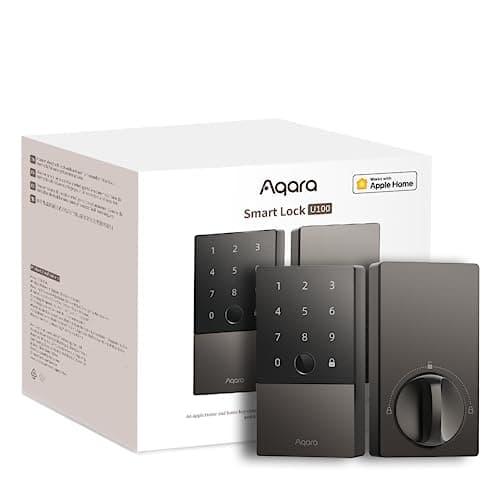
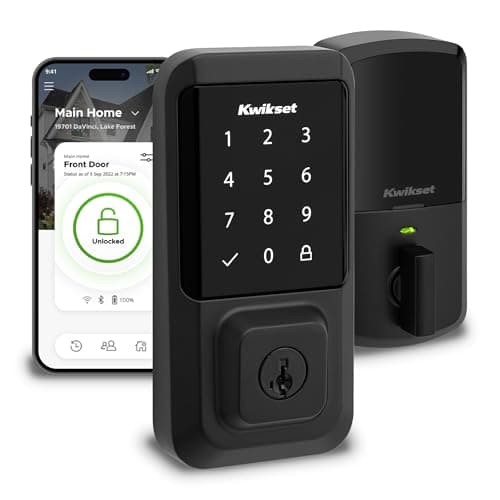
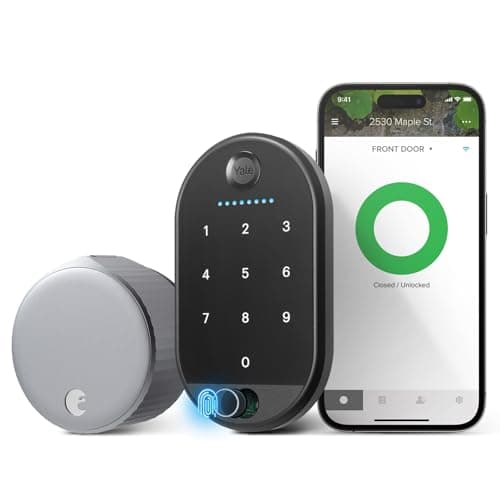
"Budget" is a loaded word for smart locks, so let us define it honestly up front. The best full-replacement locks with Apple Home Key and every ecosystem run well into the $300s, and the truly cheap no-name locks on a marketplace are a false economy - the mechanism is what stands between your home and the street, and that is the last place to cut. What we mean by budget is best value: locks that land near or under about $200 and still get the connectivity, keypad or fingerprint that actually matters. These three do exactly that, in three very different ways.
Because they are so different, the price is almost the least interesting thing about them. The August Wi-Fi Smart Lock is a retrofit that keeps your existing deadbolt and your keys. The Aqara U100 is a full replacement that adds a fingerprint reader and Apple Home Key. The Kwikset Halo is a plain, dependable Wi-Fi deadbolt with a keypad and no hub. Choosing between them is not about which is cheapest by a few dollars - it is about which shape fits your door, your keys and your phone. The compatibility matrix below does most of that arguing in one glance.
Why the cheapest pick is a retrofit, not a bargain-bin deadbolt
The lowest-risk way to spend the least is to keep the deadbolt you already trust and make it smart. That is the August's whole pitch: it clamps onto the inside of your current lock, so the exterior hardware and your physical keys do not change at all, and it adds built-in Wi-Fi plus a keypad for codes. You are not buying a new mechanism of unknown quality - you are adding remote control and guest codes to the one already on your door. For renters that is close to ideal, because a landlord never sees a difference from the street. It is also why we rank it first here: it is the cheapest entry that does not ask you to gamble on an unfamiliar lock body.
The trade is ecosystem. The August's listing names Alexa, Google and SmartThings, not Apple HomeKit or Apple Home Key. If your household lives in Apple Home and you want to tap an iPhone to unlock, the August is not your lock - but the Aqara U100 is, for not a lot more. If you just want remote lock and unlock on Alexa or Google while keeping your keys, the August is the value champion of this page.
Where a few more dollars buys fingerprint and Apple Home Key
The Aqara U100 is the value pick that refuses to feel cheap. In one weatherproof body it packs a fingerprint reader, a touchscreen keypad and Apple Home Key, and its listing names Apple HomeKit, Alexa, Google and IFTTT - a spread you normally pay a lot more for. The catch is connectivity: on its own the U100 speaks Bluetooth, so remote access and voice control route through a separate Aqara hub. If you already own Aqara gear, that hub is probably in the house already and the U100 is a genuine bargain. If you do not, factor the hub into the price before you call it the cheapest option, because with the hub added it is no longer the cheapest - it is the most capable. Our keypad vs fingerprint guide explains when a fingerprint reader is worth it and when a keypad code is all you need.
What you give up by staying under about $200
Value is a set of honest trade-offs, not a free lunch, and it is worth naming what the sub-$200 bracket costs you. You will not get every ecosystem in one lock: the August skips Apple, the Kwikset skips Apple and Google on its listing, and the Aqara needs a hub to reach Alexa and Google. You will not get the premium hidden-in-the-door designs or the widest choice of finishes that the pricier locks offer. And with the two Wi-Fi picks here, a full-time radio in the lock is a real drain on batteries, so plan on changing them a little more often than a Bluetooth lock would need. None of that makes these bad locks - it makes them focused ones. The trick to a good value purchase is deciding which single thing you care about most, buying the pick that nails it, and letting the rest go.
The value full-replacement deadbolt, and its honest limit
If you own your home and want a brand-new keyless deadbolt rather than a retrofit, the Kwikset Halo is the value answer. It is a full-size touchscreen deadbolt with built-in Wi-Fi and no hub, it is Grade AAA certified and UL listed, and it installs with a screwdriver. The honest limit is the one its own listing hands you: it names app and Wi-Fi control, but it does not name Apple HomeKit or Google Home. Treat it as an Alexa-and-app lock - a good one, at a good price - and do not buy it expecting to tap an iPhone or bark at Google. If those matter, step up to the Aqara U100 for Apple or read our full best smart locks roundupfor the pricier options that cover every assistant. As with every page here, everything in the specs and the matrix comes from each lock's own listing read on the date shown; where a maker does not name a platform, we mark it "Not listed" rather than guess, and the whole method is on our methodology page.
How to spend the least without buying junk
The way to save money on a smart lock is not to chase the lowest sticker - it is to buy the least lock that covers what you actually need, from a brand that stands behind the mechanism. Start with the deadbolt itself, because it is the part doing the security work. All three picks here are real locks from real brands: the August reuses a deadbolt you already trust, and the Aqara and Kwikset are purpose-built with weather ratings and safety listings you can look up. The trap at this price is the anonymous marketplace lock with a stock photo and no certification - a saving that disappears the first time the motor jams in January. If you are weighing whether a smart lock is even worth it over a plain one, our smart lock vs traditional deadbolt guide is the honest gut-check.
Match the shape to your door before you compare prices
Price picks the tier; the shape of the lock picks the model. Ask three quick questions. Do you rent, or want to keep your existing keys? Then the retrofit August is almost certainly your answer, and the other two are the wrong tool no matter what they cost. Do you want fingerprint entry or Apple Home Key? Only the Aqara U100 here offers them, so read it first even though it needs a hub. Do you own your home, want a fresh keyless deadbolt, and live on Alexa rather than Apple? The Kwikset Halo is the value full-replacement pick. Buying a lock whose shape does not fit your door is the most expensive mistake in this category, precisely because it looks like a bargain until it arrives.
Budget locks and the parts you should never cut
Two things are worth paying for even on a budget, and neither costs much. First, a real physical or code backup so a flat battery never locks you out - all three here keep a fallback, and our guide on smart lock battery life covers the low-battery warnings and jump options in plain terms. Second, connectivity you understand: the August and Kwikset have Wi-Fi built in, while the Aqara needs a hub, and knowing which you are buying prevents a nasty surprise on setup day. What keeps working when your internet drops is covered in our do smart locks work without Wi-Fi guide, and if the ecosystem names still blur together, the ecosystem compatibility guide untangles HomeKit, Home Key and hubs before you spend anything.