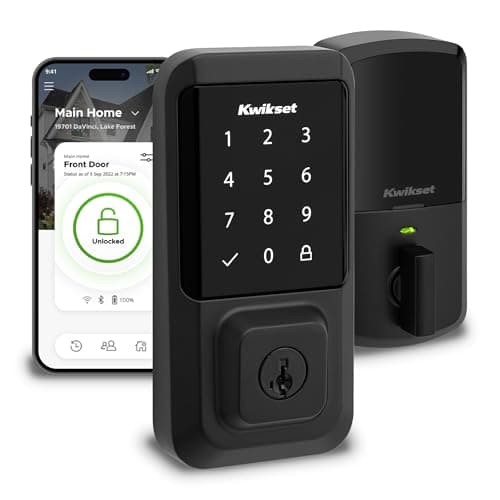
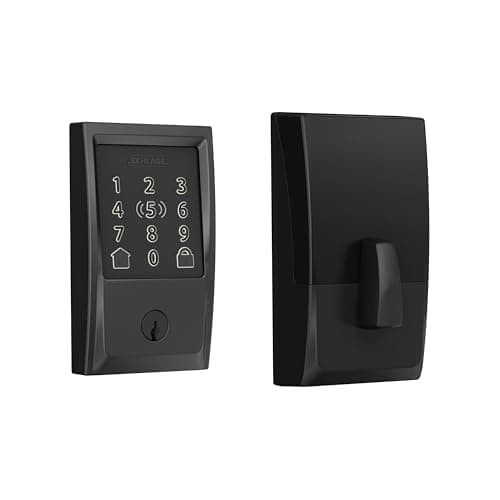
The Kwikset Halo and the Schlage Encode Plus are the two locks most people shortlist when they want three specific things: a code on the door, Wi-Fi in the lock so they can control it from anywhere, and no hub to buy on the side. On the door they look like siblings - both are touchscreen-keypad deadbolts, both replace your existing deadbolt with a screwdriver, both put Wi-Fi inside the lock, and - the part that quietly matters most over years of ownership - neither charges a subscription. The keypad, the headline feature, is genuinely a tie. What actually decides this comparison is something the box never puts in big letters: which phone is in your pocket.
The keypad is a tie - the ecosystem is not
Start with what is the same, because it is most of the lock. Both the Halo and the Encode Plus are full-replacement deadbolts with an illuminated touchscreen keypad on the exterior, so anyone you give a code to - a guest, a cleaner, a kid without a phone - can punch it in and walk in. Both have Wi-Fi built into the lock, so you can lock, unlock and check status from your phone anywhere with no separate bridge or hub sitting on a shelf. Both are advertised as easy, screwdriver-only installs. And neither one ever bills you: whatever you spend is the hardware and nothing more. If the keypad and the Wi-Fi were the whole story, you could flip a coin.
They are not the whole story. The single line that separates these two locks is the list of ecosystems each one's listing actually names. The Schlage Encode Plus adds Apple HomeKit and Apple Home Key - the tap-your-iPhone-to-unlock trick - and also names Alexa. The Kwikset Halo names Alexa and Google, and its listing does not claim Apple HomeKit, Apple Home Key, or Matter at all. Neither lock claims both Apple Home Key and Google. So the question is not "which is the better keypad deadbolt" in the abstract; it is "which one speaks your household's language," and that is a question only you can answer by looking at the phone you already carry.
Apple households: the Schlage's Home Key is the whole argument
If your home runs on iPhones, the Schlage Encode Plus is the easy call, and Apple Home Key is the reason. Home Key stores a secure digital key in your iPhone or Apple Watch's Wallet, so you walk up to the door, hold the phone near the lock, and it opens - no app to launch, no code to type, and it keeps working even if your phone's battery is nearly dead. Add HomeKit and the lock shows up in the Apple Home app alongside the rest of your gear, responds to Siri, and slots into automations you may already run. For an Apple household that experience is the difference between a smart lock that feels native and one that feels bolted on.
The Kwikset Halo cannot match that here, and it does not pretend to - its listing simply never names Apple. An iPhone owner using a Halo would fall back to the keypad code or the Kwikset app, which is perfectly functional but loses the tap-to-unlock magic and the Siri and Apple Home integration entirely. If you have invested in Apple Home, or you think you will, the Encode Plus is worth its premium for that reason alone. For the wider view of how it stacks up against the rest of the iPhone field, our best smart locks for Apple Home roundup ranks it against the Level Lock+ and the Aqara U100, and the full Schlage Encode Plus review digs into the keypad and install in depth.
Google and Android households: the Kwikset is the value answer
Flip the household and the answer flips with it. If you carry an Android phone and run Google Home - or you lean on Alexa - the Kwikset Halo is the smarter buy, and not by a small margin. It names both Alexa and Google, so you get native voice control ("Hey Google, is the front door locked?") and the lock lives in the assistant you already use. Crucially, you get that at a friendlier price than the Encode Plus, because you are not paying for Apple features you will never touch. For a Google or Android home the Halo delivers the same keypad-plus-Wi-Fi experience for less money. We line up the whole category for that household in best smart locks for Google Home, and the standalone Kwikset Halo reviewcovers the app and the lock's Grade AAA rating.
The Schlage Encode Plus is the awkward fit here for the mirror-image reason: its listing does not name Google Home. An Alexa-only Google-free household could still run an Encode Plus happily on Alexa, but a Google-centric home would be paying the Apple premium for a lock that does not speak its assistant. That is exactly backwards for what you want. In short: Apple home, buy the Schlage; Google or Android home, buy the Kwikset. The keypad you get either way is the same idea - the ecosystem you get is not.
Build, grade and everyday reliability
Beyond the ecosystem, the two locks have slightly different resumes on the physical hardware. The Kwikset Halo is advertised as Grade AAA / UL listed, referencing the residential security, durability and finish ratings the industry uses - a reassuring line to see on a value lock, because it says the mechanism itself was built to a recognized standard, not just the app. The Schlage carries Schlage's own long reputation for solid deadbolt hardware. For most front doors either lock is more than strong enough; the grade is a nice confirmation on the Kwikset rather than a reason to rule the Schlage out.
Reliability day to day is similar because the designs are similar. Both keep a keypad, so even if your home Wi-Fi or the app is having a bad day, anyone with a code can still get in - the code is checked on the lock itself, not in the cloud. Both run on batteries inside the door, and both are keyless-entry deadbolts, so it is worth knowing exactly what still works when the power or the internet drops before you commit. Our guides on whether smart locks work without Wi-Fi and without power walk through what keeps functioning in each case, which matters more than any spec sheet the day the router reboots.
A quick word on Matter, since it comes up constantly. Neither of these locks claims Matter. The Encode Plus works through HomeKit and Apple Home Key; the Halo works through Alexa and Google. Neither is a Matter device, so if your whole plan is to standardize every gadget on that one protocol, understand that this pair does not fit it - read Matter vs Thread vs Zigbee first so you buy with your eyes open rather than assuming a lock supports something its listing never claims.
No subscription either way - and why that matters
Here is the good news that applies to both: neither lock charges a monthly fee. Codes, Wi-Fi control, app access and voice control are all included in the hardware price, with no plan gating the features you actually bought the lock for. That is not true of every smart-home category - plenty of cameras and doorbells hide half their usefulness behind a subscription - so it is worth underlining here. Whatever you spend on either the Halo or the Encode Plus is a one-time number, and the running cost from day two onward is zero. That fact alone puts both of these near the top of our best smart locks roundup, where we rank on real long-term value rather than sticker price alone.
Because the fee is off the table for both, this comparison is unusually clean. You are not weighing a cheaper lock with an expensive plan against a pricier lock that is free to run - you are choosing between two locks that cost nothing to keep. That strips the decision back to the two things that genuinely differ: the ecosystem each one names, and the price you pay up front. The Schlage costs more and buys you Apple. The Kwikset costs less and buys you the same keypad experience for a Google or Alexa home. Match the lock to the phone and you will not regret either.
Who should buy which
Buy the Schlage Encode Plus if your household runs on Apple. Home Key and HomeKit turn it into a lock that feels like part of your iPhone rather than an add-on, and you still get the touchscreen keypad, built-in Wi-Fi and no subscription on top. It is the premium of the two, but for an Apple home the premium buys something you will use every single time you walk up to the door, which is why it is our top pick here.
Buy the Kwikset Halo if you run Google Home, an Android phone, or Alexa and you want the same keypad-and-Wi-Fi convenience for less money. It names Alexa and Google, carries a Grade AAA / UL rating on the hardware, and skips the Apple features you would not use - which is exactly why it comes in cheaper. For the large number of households that are not on Apple, the Halo is the sensible, no-drama value pick, and nothing about it feels like a compromise unless you specifically wanted Home Key.
The one-line rule of thumb: pick the lock that names your phone's ecosystem, and let price break the tie only after that. An Apple home that buys the cheaper Kwikset will miss Home Key forever; a Google home that buys the pricier Schlage will pay extra for an assistant its listing does not even name. Get the ecosystem right and both of these are excellent, subscription-free keypad deadbolts - which is why they are the two we keep coming back to.
The usual honest caveat applies, the same one on every page here: we did not install and stress-test these two locks in a lab. We read each lock's own Amazon listing and manufacturer documentation for its specs and the ecosystems it actually names, and compared them straight. Where a claim would have to come from hands-on testing, we say so rather than inventing it. Our full method is on the methodology page.