A fingerprint reader is the fastest, most natural way through your own front door: no code to remember, no phone to fish out, no key to lose — you just touch the lock and walk in. Every lock here does that part well; modern sensors read a print in well under a second. So the sensor is not what separates them. What separates them is everything the listing photo doesn't show: what you fall back on when a wet or cold thumb won't read, whether the lock needs a hub you don't own yet to do anything remotely, and which voice assistant it actually answers to. We ranked these five on exactly those questions.
One honest caveat first, the same one on every page here: we don't run a lock lab. We compiled each lock's published specifications, confirmed its access methods, weather rating and ecosystem support from the manufacturer's own documentation and live retail listing, and read the aggregated verified-buyer sentiment. Where a figure came from someone else's testing, we say so. The keypad vs fingerprint comparison covers whether a print reader is even the right unlock method for you; if you decide it is, this is the shortlist.
The fingerprint sensor is the easy part
It's tempting to shop on the sensor spec — "reads in 0.3 seconds," "stores 100 prints" — but in day-to-day use those numbers barely move the needle. All five locks here read a clean, dry finger fast enough that you won't notice the difference, and every one stores far more prints than a normal household needs. Capacity only matters at the edges: a busy share house or a small office that has to enroll a dozen people leans toward the ~100 prints on the Ultraloq and SwitchBot rather than the 50 on the Aqara. For a family of four, any of these is overkill in the best way.
Where sensors genuinely differ is in the awkward moments — a thumb that's wet from the rain, cold and dry in winter, or dusted with flour on the way in with the groceries. No capacitive reader is perfect there, which is exactly why the next section matters more than this one.
Your backups are what actually matter
A fingerprint lock is only as good as what you do when the print fails, because it will fail occasionally. The right question isn't "how fast is the sensor" but "how many independent ways in does this give me before I'm stuck on the porch?" Every lock here keeps a physical keyway or a keyed backup, which is the one that saves you in a flat battery or a firmware sulk. On top of that you want a keypad code (so a guest or a babysitter can get in without enrolling a print) and app or Wi-Fi unlock (so you can let someone in from your phone).
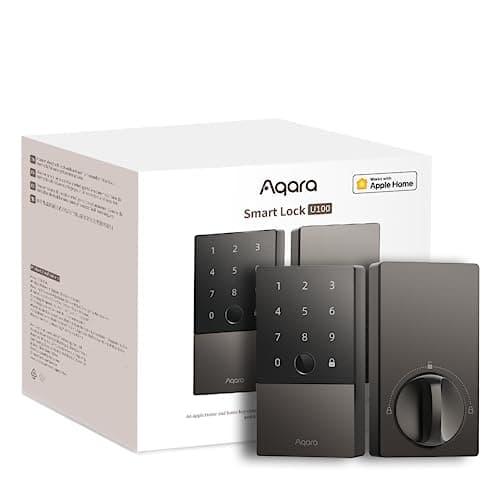
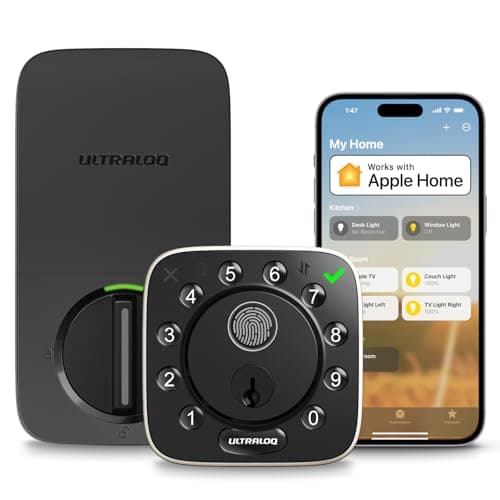
The Ultraloq Bolt Fingerprint Wi-Fi leads here precisely because it stacks the most: fingerprint, code, key, app and built-in Wi-Fi. The Aqara adds Apple Home Key to that stack for Apple users. The SwitchBot is the interesting outlier — as a retrofit it keeps your existing physical key untouched, so your oldest, most reliable backup is the one you already have. Whichever you choose, treat the keypad code and the physical key as non-negotiable, not optional extras. For the wider view across all lock types, the main smart-lock roundup ranks the field on ecosystem and specs; this page is the fingerprint-first cut of it.
The hidden cost is the hub
Here is the trap that inflates the real price of a "$100 fingerprint lock." A lock that's Bluetooth-only can enroll prints and unlock at the door for free — but the moment you want to lock it from work, get an alert when a code is used, or say "lock the front door" to Alexa, you need Wi-Fi, and on many locks Wi-Fi means a separately-sold bridge or hub. That's a real second purchase that never shows up in the headline price.
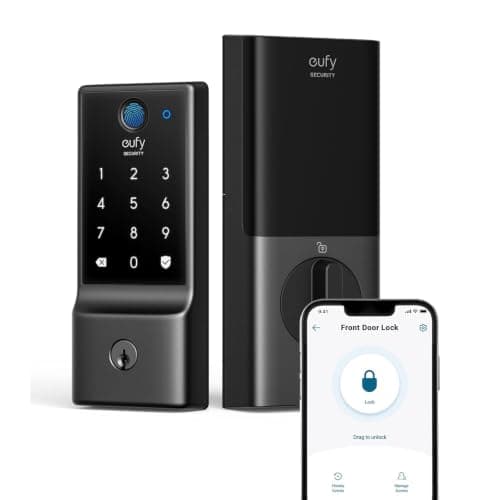
We split the field on this deliberately. The Ultraloq Bolt Fingerprint Wi-Fi and the eufy C220 have Wi-Fi built in — no bridge, remote access works out of the box. The Aqara is Bluetooth plus Apple Home Key on its own and wants an Aqara hub for full remote and voice control. The Lockly Secure Plus is Bluetooth-range until you add its Secure Link Wi-Fi hub. The SwitchBot is the honest exception: it's sold here as a combo that already includes the Hub Mini, so the "extra" is in the box and priced in. Before you compare two locks on price, check whether both totals include the radio you actually need.
Which ecosystem it answers to
This is where a fingerprint lock stops being a lock and becomes part of your smart home, and it's the question this site exists to answer clearly. If you're in Apple's world, the Aqara U100 is the obvious pick: Apple Home Key lets you tap your iPhone or Watch to unlock, and it appears in the Apple Home app. If you run Alexa or Google, the Ultraloq and eufy both slot in cleanly — and the Ultraloq's listing names Apple Home and SmartThings too, though without Home Key, so an Apple household that wants tap-to-unlock still wants the Aqara. And if you specifically want Matter — the cross-ecosystem standard that finally lets a lock work the same in Apple Home, Alexa and Google — the SwitchBot Lock Ultra is the only pick here that gets there, and only through its included hub. None of these exposes to Matter without a hub, and cameras and locks are still where Matter support is thinnest, so read the badge on each pick rather than assuming. The smart-lock ecosystem compatibility guide lays out which lock works with which assistant, and why.
How to actually choose a fingerprint lock
Start with your door, not the sensor. Measure whether you have a standard deadbolt and whether you rent or own — that alone narrows the field. If you rent, or you can't modify the exterior, a retrofit like the SwitchBot Lock Ultra is the only sane choice: it keeps the landlord's hardware and your original key. If you own and can swap the whole deadbolt, the one-piece locks (Ultraloq, Aqara, eufy, Lockly) are cheaper and neater to fit. Our install guide walks through the difference before you buy the wrong shape.
Pick your ecosystem before your lock
The single biggest regret with any smart lock is buying one that doesn't talk to the rest of your home. Decide first: Apple, Alexa, Google, or "I want Matter so it works with everything." That answer chooses your lock more than the fingerprint spec does — Apple tap-to-unlock points to the Aqara, Alexa/Google to the Ultraloq or eufy — the Ultraloq is in the Apple Home app as well, just without Home Key — and a Matter-first setup to the SwitchBot. Apple-home shoppers should also read best smart locks for Apple Home for the wider HomeKit field.
Add up the real cost, including the hub
Write down the price with the radio you need. A Bluetooth-only lock plus a Wi-Fi bridge can cost more than a lock with Wi-Fi built in, even if the sticker looks cheaper. The Ultraloq and eufy include Wi-Fi; the SwitchBot combo includes its hub; the Aqara and Lockly want an add-on for full remote and voice. None of these charges a monthly subscription for lock features, which is the one running cost cameras and alarms usually add — a genuine point in a fingerprint lock's favor, and one worth keeping when you compare against a full security system.
Match weatherproofing to how exposed the door is
A front door under a porch can take any lock here. A door fully exposed to driving rain wants an IP65 body — the Ultraloq or the Aqara — rather than the splash-resistant IP53 of the eufy. The reader and keypad live outside, so their rating is the one that matters; the smart guts sit on the warm, dry inside face. If your door bakes in afternoon sun or freezes in winter, check the published operating-temperature range too, not just the IP number.